E14: From 1 Location to 10+: Scaling a PT Clinic
with with Dan Giordano
In this episode of Physio Insights, we sit down with Dan Giordano, Doctor of Physical Therapy and Co-Founder of Bespoke Physical Therapy, to explore what it really takes to build and scale a successful PT business.
Dan shares lessons from growing Bespoke from a single clinic to 10+ locations across the U.S., breaking down why systems matter more than hustle, how leadership evolves as teams grow, and what PT owners often get wrong about productivity, hiring, and expansion. We dive into mindset shifts around pressure, failure, mentorship, and why ego can quietly sabotage clinic culture and growth.
Key Notes
Key takeaways
Scale doesn’t start with expansion, it starts with standards. Bespoke grew from 1 clinic to 10+ by keeping the mission and quality of care consistent.
Leadership should be built on principles, not tactics. Trust, accountability, and integrity scale better than changing “strategies.”
Micromanagement blocks growth. People perform best when they’re trusted, empowered, and given room to learn.
Failure is feedback. Mistakes are inevitable in entrepreneurship, progress comes from learning fast, not avoiding failure.
Be less reactive as you grow. Step back, think before responding, and avoid negative reinforcement to protect culture and outcomes.
Hire people smarter than you and watch for ego. Ego can poison team dynamics, slow decisions, and crush innovation.
Pressure never goes away. Calm leadership means staying steady under uncertainty and using routines (walks, training, recovery) to reset.
Busy ≠ productive. Growth comes from high-impact work that moves the needle, not constant email/Slack firefighting.
Mentorship is perspective, not answers. Show up prepared, respect time, and use mentors to reduce blind spots, not copy their playbook.
Tech ROI is bigger than revenue. Objective data improves trust, adherence, outcomes, and long-term patient experience and the financial return follows.
Full Audio Transcript
00:00:07.840 –> 00:00:33.230
<v Timothée>Hello. Welcome to the Physio Insights podcast. I’m Timothée vander Linden, Head of Sales at Runeasi. At Runeasi, we’re building running gait software designed to help rehab professionals better understand their patients and athletes, so they can make smarter, data informed decisions in care. Along the way, we sit down with thought leaders from around the world to explore expert perspectives and evidence based insights.
00:00:33.390 –> 00:00:45.145
Our goal? To give you the tools, insights and reasoning you need to elevate your clinical practice and empower your athletes. This is the Physio Insights Podcast.
00:00:48.825 –> 00:01:20.825
<v Timothée>What does it take to grow a team, expand your brand and make a profitable business within the services you offer. Because next to the clinical reasoning, a successful PT nowadays needs to make sure the business side of it all makes sense to thrive. And of course, offering great quality in your services goes hand in hand with building a successful story for your PT business. And who better you to have on a podcast today and someone to build a successful PT business with Bespoke Physical Therapy? We watch co- founder Dan Giordano here on a podcast.
00:01:20.905 –> 00:01:21.865
Welcome Dan.
00:01:22.025 –> 00:01:26.520
<v Dan>Hey, nice to have me. I’m happy to be here and looking forward to chatting today.
00:01:26.520 –> 00:01:32.280
<v Timothée>Maybe maybe it’s cool to start with an introduction from your side, like if you could introduce yourself to all the listeners.
00:01:32.280 –> 00:01:41.065
<v Dan>Yeah. Absolutely. So my name is Daniel Giordano. I’m a doctor of physical therapy and certified strength conditioning specialist. I’m the cofounder and chief medical officer at Bespoke Physical Therapy.
00:01:41.065 –> 00:02:19.695
We have locations across The US, New York, New Jersey, California, and Washington state. And I currently serve on the scientific advisory boards for companies such as Therabody, Rally, and Men’s Health Magazine. A little more about me with my background with running. So throughout my career, I had the opportunity to work on medical teams for major national and international events such as USA Track and Field Olympic trials, USA TF national championships, US championships, the IF world championships, and then in other sports such as the Nike EYBL peach jam championship, slam summer classic, made hoop circuits, and in surfing at the Quicksilver Pro surfing championships as well.
00:02:19.775 –> 00:02:34.610
<v Timothée>Great. It’s it’s been quite a ride. You founded Bespoke treatments ten years ago, so now you have PT clinics in a lot of major state cities in The US offering premium services, improving people’s health. How has this journey been if you look back to the past ten years?
00:02:34.955 –> 00:02:52.690
<v Dan>It’s been fun. So we originally started as Bespoke Treatments and we’ve rebranded to Bespoke Physical Therapy with our focus really being on physical therapy. So looking back over the last ten years, the journey’s been pretty humbling and rewarding at the same time. You learn a lot as an entrepreneur. It’s a roller coaster.
00:02:52.690 –> 00:03:15.395
Right? You have highs and lows, but it’s it’s fun and you have to enjoy it. So what started as a single clinic operation in New York City on Madison Avenue was originally built around high standards of care, and it’s grown into something larger. But the core mission has completely stayed the same. We work on improving people’s health through thoughtful and personalized physical therapy and looking at the long term effects on people’s health.
00:03:15.395 –> 00:03:44.215
So we always say live better longer. So our goal is to get through that touch point, which is pain with the individual, but really look on focusing and improving their overall long term health and wellness. So being an entrepreneur in physical therapy, it’s interesting. The everything comes with its growth challenges and mistakes and learning and seeing the impact on patients and team members across, you know, so it makes it worthwhile. We have great team in place across the country, New York, New Jersey, California, and Washington.
00:03:44.535 –> 00:03:52.100
And, seeing patients improve their overall health and wellness and then seeing our team members grow makes everything worth it for sure.
00:03:52.260 –> 00:04:00.260
<v Timothée>And looking back, like, to 2015, did you have, like, today in mind, like, this expansion in mind, or did it, like, grow as you went?
00:04:00.835 –> 00:04:14.355
<v Dan>I always wanted to live in California. That was, like, one of the big things. So in my in my head, I was like, know, one day I’m gonna live in San Diego. I love San Diego. And then I went to visit Seattle a few times, and I fell in love with Seattle.
00:04:14.355 –> 00:04:42.035
So I would say I didn’t have, like, a master plan for a national footprint, but my mindset definitely involved when I started to learn more about business and growth and doing the fundamentals as well. Right? But for us, the it started to come over time. When we started to connect with leaders that we could bring on to our team and work together, that’s what really drove the growth of the company. And then also, obviously, delivering, like, the best possible care and our trust with our patients and surrounding ourselves with the most talented people we know in physical therapists.
00:04:42.035 –> 00:05:20.000
So by I guess what I’m saying is bicoastal expansion wasn’t the goal at first, but it became a big vision of us long term and to understand how we grow and expand and to give people access to the high quality physical therapy that that we know we deliver. So for us, started small, now we’re expanding and our goal is, you know, our mission stays the same, but we want to just continue to deliver the highest quality physical therapy care and also redefine physical therapy so that people can receive that one on one care and receive that care that creates long term health care change and long term change in wellness. So as long as we continue to deliver this care at the highest quality level, that expansion will continue to happen.
00:05:20.000 –> 00:05:35.785
<v Timothée>You say, yeah, you work with a great team and then running a PT business is working with a team working with people as you also work with emotion, a lot of people management. And that means leadership takes an essential role. So what would be your philosophy on leadership?
00:05:35.785 –> 00:05:50.110
<v Dan>I think this is still up, it’s in progress and I’m learning every day. But my philosophy would be that it’s rooted in principles, not tactics. So I think tactics always change with context. Yes. But principles like trust, accountability, integrity, that helps you scale.
00:05:50.110 –> 00:06:14.400
We’ve worked and I’ve worked with leadership coaches, like Megan Dolce from Get Ripe actually, and she taught me a lot. I think that she really taught me that when leaders are clear on principles and teams can make better decisions. Right? So once we really understood this couple years ago when we worked with her, it allowed us to push our leaders in the right direction so that they they can make better decisions without needing, like, constant oversight. Right?
00:06:14.400 –> 00:06:39.840
So huge credit to Megan Dolcek or GetRight for this. And, she really drilled that to me, and we learned that it’s principles, not tactics. And creating those those SOPs and those programs and the operating procedures, but it’s really based off principles. So as long as we are continue to have these principles, we’ll be able to, you know, create leadership and grow as leaders together for sure.
00:06:39.840 –> 00:07:01.885
<v Timothée>That’s great. I think also, yeah, as you grow now you have you have several PT clinics, different states. I think in some way you got to let the people also manage their own clinics so autonomy becomes important. How do you see from having the first PT clinic to today you could manage everything in the beginning yourself probably? You had the vision.
00:07:02.205 –> 00:07:11.800
Now it’s also maybe without letting go, right? Like you you have to let people like, you have to trust people, your team. How do you see that evolved also with your own mindset?
00:07:11.960 –> 00:07:29.645
<v Dan>So micromanagement is tough. Right? You wanna you wanna do everything on your own and and a lot of the times you want you’re like, I can do this real fast so I can get it done, but that’s not gonna allow for growth and scalable aspects. So, you know, you gotta back off micromanagement. That’s a word of advice sometimes that you need to put people in place so you don’t have to micromanage.
00:07:29.645 –> 00:07:55.915
But I think people do their best when they feel trusted and empowered to to think, And micromanagement might feel safe, like, short term, but it limits growth. It also limits creativity with your leaders and your coworkers. So you need to give people the right tools and guide them in the best way possible without over managing Even when you, as a entrepreneur, as a founder, you’re like, I can do this right away. I can do this right now. I can get it done or I can do better.
00:07:55.915 –> 00:08:19.000
No. You you have to give people their space, and you have to let them, learn on their own too because, right, even if something doesn’t go out, to go the way that you planned, failure is feedback. It’s learning experience. And so even if it doesn’t go the right way, then you regroup as a team and you let someone do it. And just continue to give them the tools and guide them properly, I think, is key to that.
00:08:19.385 –> 00:08:36.640
<v Timothée>I think Paul is a ref. Mistakes and failing, you can learn so much from the mistakes you make, yet a lot of people still are so afraid to make those mistakes and to fail. So failing seems like the end of a story for a lot of people, but but it’s actually maybe the best possible stepping stone for learning and success.
00:08:36.960 –> 00:08:37.840
<v Dan>For sure.
00:08:38.080 –> 00:08:46.160
<v Timothée>Think you probably had a lot of maybe mistakes or failing that led to maybe a better version of yourself and your business. Right?
00:08:46.160 –> 00:08:59.885
<v Dan>Yeah. I think it’s listen, failure is just an opportunity to learn. You’re gonna fail in your personal life, your professional life, and as long as you learn from those failures, you’ll continue to grow. If you dwell on those failures, you won’t grow. Right?
00:08:59.885 –> 00:09:16.895
So I think everyone fails. It’s okay. That’s fine. Just learn from it and don’t hold yourself down on it because you’re gonna continue to fail. Like, you know, I fail at things all the time, but I learn from them, and build upon that and, make the better decision in the future based off my experiences.
00:09:16.895 –> 00:09:25.855
So don’t ever get put down or, you know, mad about failing. It’s just a learning experience. And view it as a learning experience. Don’t view it as, you know, I failed. I’m done.
00:09:25.855 –> 00:09:28.655
No. You learned from the mistake, and don’t make that again, but learn from
00:09:28.810 –> 00:09:38.650
<v Timothée>Now in this, like, personal growth topic as well, like, how would you compare your leadership style of ten years ago compared to today? Okay. It’s changed. Let’s put
00:09:38.650 –> 00:09:58.140
<v Dan>it that way. I think that, ten years ago, my leadership style was more reactive. I think as a as an individual, to be quite frank, I was more reactive. And now I know not to be reactive. Even if something comes in that’s something you’re mad about or frustrated, like, take a deep breath, walk around the block, or don’t answer right away.
00:09:58.140 –> 00:10:03.900
Right? Think about it before you answer. So be more intentional and thought out. Right? Don’t be reactive.
00:10:04.060 –> 00:10:44.265
It’s just like PT. Physical therapy, I think, should be proactive and not reactive, but that’s another we’ll talk about that down the line in the podcast. But I think that over the last ten years, I think I learned to step back a little bit, trust the team, trust the individuals that we did hire for a reason, right, and focus on creating clarity rather than, like, micromanaging or controlling the immediate outcome. So I think that the word of advice would just be to everyone out there, be less reactive. You have to react when certain things happen, but be less reactive, be less aggressive, take a step back, and in a weird way, being more back or a step off, you’re actually more hands on.
00:10:44.265 –> 00:11:18.585
Right? Because you’re giving people more trust and empowering more people without just, like, reacting and jumping at things. But then also, most of the time, yeah, you go with your gut, but the reaction may not be the correct reaction or it could come off wrong. So take a step back, take a deep breath. Something that I really like to do is if I get, like, a bad Slack message or not a bad Slack message, but one that’s, you know, a little frustrating or an email, I’ll write out my answer first, and then I’ll think about it so that I can go into that conversation after saying the correct things and maybe sometimes I’ll even write bullet points, like, talk about x or talk about y.
00:11:18.585 –> 00:11:36.825
And that helps me lead properly without, you know, reacting in a negative manner. Because I don’t I don’t think negative reinforcement is good in any way. I think the only thing that should be reinforced is positive reinforcement with your team. So get away from being reactive, get away from the negative reinforcement because it it actually slows outcomes and slows the growth for sure.
00:11:36.825 –> 00:11:54.400
<v Timothée>And it combines as well with like your personal mistakes or failings with also the ones of other people of your team. Right? So if you empower them, you will let them learn and let them grow themselves as well. I think it always helps. Think if you have a smart, good skilled team.
00:11:54.400 –> 00:12:00.880
What’s your focusing like if you hire people or like having new team members? What will be the biggest thing you look at?
00:12:00.880 –> 00:12:10.425
<v Dan>Hiring new people. Yes. You want to surround yourself with the best possible people. Right? So I think that hire people that are smarter than you.
00:12:10.425 –> 00:12:26.440
If if you if you don’t do that, you’re you’re in a pretty small room. Right? Hire people that you think are better than you at certain things. Like, you you know, you don’t wanna be you don’t wanna not hire people because you have an ego about something. And then I think also, you know, ego is expensive, and I think ego can actually harm teams sometimes.
00:12:26.440 –> 00:12:46.590
So I honestly think that sometimes ego can actually slow decisions and limit innovation, especially in health care. Bad team members could really hurt the overall culture and group. If you do hire someone or you do work with someone who has, an ego that’s hurting the group, like, own your mistake and understand that you made a mistake possibly by hiring that individual. But ego is not great. Right?
00:12:46.590 –> 00:13:06.505
We’ve made that mistake. I I’ve hired people that I thought because they had, like, a big social media following or they were so confident, but it wasn’t confidence. It was an issue with their ego. And when I put them in a team where we have a bigger team, sometimes that really, like, deterred people and created clashes between, and that’s not good. You know, having a bad team member on any team can bring down the team.
00:13:06.505 –> 00:13:19.770
So, you know, I always say that ego is expensive. Ego can really limit your growth. So hire people that are smarter than you, hire people that are better than you at certain things, and that will help you grow. And sometimes be careful about ego. That’s that’s definitely a word of advice.
00:13:19.770 –> 00:13:23.610
I don’t think that’s a, a great thing to have on a team most of the time.
00:13:24.065 –> 00:13:42.490
<v Timothée>That’s actually very underrated advice. That’s great. And running a, like, a PT clinic business with more than 10 locations could seem very high demanding to a lot of people. Yet when I speak with you, you always give, a relaxed impression as if everything were taken care of. So how do you handle working and oppression in, like, nerd out?
00:13:42.490 –> 00:13:59.565
<v Dan>Under pressure. Okay. So I think pressure never goes away, but it’s how you respond to it that, you know, allows you to grow. I actually like pressure, to be quite frank. I think that I react well and I thrive under pressure.
00:13:59.565 –> 00:14:12.340
Right? I think a lot of people have issues with pressure because they can’t handle the pressure, for sure. But for me, personally, I love pressure. I can’t say this more than that. I think that I thrive under pressure.
00:14:12.340 –> 00:14:45.020
And if there’s more pressure thrown at me, personally, I think that I’ll continue to grow and to handle it. But if you are feeling so much pressure, calm down. Like like, calm leadership, I think, is about not having all the answers and staying steady even when things are pretty uncertain. And to be quite frank, I think winners win, and I think winners focus on winning and losers focus on the winners. So with pressure, right, take a deep breath, get some clarity because pressure can get tough at times and stress can be overwhelming.
00:14:45.420 –> 00:14:55.225
But focus also on things in your life that can decrease stress. Right? So when you’re not thriving or under that pressure situation like for me, it’s sauna. I love doing a sauna. I do sauna at night.
00:14:55.225 –> 00:15:08.430
I think that it allows me to bring myself back down or or exercise or running. Right? And that allows you to lower the pressure and create calmness or stillness. But I I do think that it’s hard for me to say because I love pressure. I think I thrive under it.
00:15:08.430 –> 00:15:24.815
And if I’m backed in a corner or something, I kind of enjoy it. But I also think that was due to my life in sports. I loved being in that situation where it was the end of the game or something. Like, I like it. I like to win, and and I really like the pressure.
00:15:24.815 –> 00:16:09.910
But if you’re feeling stressed from the pressure, I would say take a deep breath, you know, find something in your life that can calm the pressure, lower those cortisol levels, because that will create that calm aspect of leadership because you never wanna be, like we’re saying prior, you never wanna be too reactive on certain situations because it’s just gonna create stress for everyone around you. Yeah. Of course, like, I have my days where I’m stressed and pressure gets the best of me, but I also know that to catch it now where I’m like, oh, it’s getting the best of me. Dan, take a step back, scale yourself back, go take a walk in Bryant Park, go take a walk in Central Park, you know, call my wife, chat with her because sometimes and not not about business, just just call and check-in because sometimes, like, getting that check-in and just talking can just lower that pressure and ease me, and then I can get back to work. So find your stillness, find how you calm yourself, but, pressure never goes away.
00:16:10.405 –> 00:16:14.405
So it’s just really how you respond to it that really creates that growth in the leadership.
00:16:14.405 –> 00:16:24.645
<v Timothée>Yeah. You guys work with a lot of top athletes as well. Do you see the the, let’s say, the relationship with how they handle pressure and how, like, an entrepreneur should handle pressure?
00:16:24.720 –> 00:16:40.045
<v Dan>I I think it goes hand in hand. You know, I had I think I’m gonna shout him out, Kavari Russell. He was a, you know, an NFL player for years. I worked with him and I’m pretty sure there’s him that said this. He always kept saying winners win and, you know, I think that’s a big thing.
00:16:40.045 –> 00:16:51.485
And losers focus on the winners. I think it goes hand in hand, honestly. Like, athletes get to the point where they are in the world of sports, and they win. They continue to win, and they love pressure. And they’re always gonna win.
00:16:51.485 –> 00:17:11.905
They’re gonna do no no matter what they do, they’re gonna try to win. And I think it goes hand in hand with entrepreneurship. If you are not someone who continually wants to win, maybe entrepreneurship is not for you. And if you can’t handle the pressure, it could also become pretty hard. So, you know, I I think this is directly correlated to growing up in sports for me and performing at high levels and playing high level sports.
00:17:11.905 –> 00:17:34.280
I think it’s just you gotta you gotta own the pressure, and and you gotta you gotta enjoy it. If you don’t enjoy the pressure, you’re gonna come into issues. So enjoy the pressure, thrive in it, make the most out of it, and continue to move forward and win. And thank you always to Kovare for instilling this, that winner’s win, and I really it’s something goes hand in hand with athletes. Right?
00:17:34.280 –> 00:17:47.795
They they thrive in this. They love it. They love the pressure. They train under that pressure, whether it’s rehab or performance, and that’s why they’re, you know, the best in the world of their sport. And, hopefully, we’re the best in the world at what we’re doing in physical therapy and entrepreneurship.
00:17:47.795 –> 00:18:05.550
<v Timothée>A lot of people would like to expand their PT business, you but only have so much time in a day. So I think that puts a lot of people down like, I can I expand this so I have the capabilities, I have the time to do it? I would just say like being effective in in scaling, like in growing a business, it will work.
00:18:06.145 –> 00:18:13.585
<v Dan>Okay. Philip Poss, my cofounder, always says this that I I say this to him. Everyone’s busy, man. Like, everyone has their personal life. They have their professional life.
00:18:13.585 –> 00:18:28.240
They have their business. But there’s a huge difference between being busy and being productive. So I think being busy often means, like, reacting and not actually doing anything to move the needle forward. Right? And then being productive on the other hand is about intention and impact.
00:18:28.240 –> 00:19:01.370
So if you focus on actions that truly prove outcomes, you’re being productive. So whether that’s being better at patient care or creating stronger programs or procedures within your team, that’s being productive. Busy, on the other hand, can feel exhausting and overwhelming at times, but productive is what actually build something to become sustainable and scalable. Right? So I think a big thing is for people that are in this world and being you know, trying to grow a PT business, just remember that being busy and being productive is different.
00:19:01.685 –> 00:19:11.525
You know? I’m always busy. I I am busy all day long. I use every minute of the day, but make sure you’re not doing it on the little small things that you shouldn’t be doing. You’re gonna answer emails all day long.
00:19:11.525 –> 00:19:44.085
You’re gonna answer Slack messages all day long, but make sure you’re setting that time to be productive so you’re doing things that actually move the needle forward and scale. So make sure you’re and this goes back to Megan Dolce at Right, pick it right. She really kept saying to me, like, celebrate the small ones, don’t worry about the tiny things, and focus on things that have intention and impact for your business. And once I got that mindset down, I I started to understand how we scale. And for instance, we went from, what, three locations eighteen months ago to now 11 locations nationwide, and we have a few more that are gonna be opening 2026.
00:19:44.085 –> 00:20:07.095
So by mid twenty twenty six, we’ll be at 15 locations, and that’s all within the last twenty four months. So, yeah, we built a sustainable business for years, and we have a footprint. We have a a basically a setup that we know works. We know that this works. We know the business is scalable, and then we start to focus correctly, and the business starts to scale as opposed to just like, we’re doing a great job creating high quality care, but we were moving this way, you know, slightly up.
00:20:07.095 –> 00:20:21.750
But now we’re starting to scale properly because now we know something works and it’s scalable. But it takes a long time to get there and just remember not to not to focus too much on small tiny things. Celebrate the small wins and be more productive that will create more impact.
00:20:21.750 –> 00:20:35.865
<v Timothée>You talked about Megan Dolce. You talked about, like, people that could inspire you. Everybody wants to be inspired. Do you have advice for other PTs or people on on the podcast listening? Can you talk to people they can inspire, mentors, etcetera?
00:20:36.105 –> 00:20:48.170
<v Dan>So with mentorship, choose the right mentors. Right? Don’t think mentors are gonna give you the answer. That that’s another bad thing that people think that they’re gonna reach out to a mentor or someone that they’re gonna be a mentor for them, they’re gonna give you the answers. No.
00:20:48.170 –> 00:20:59.155
Mentorship should be barring perspective, not copying the exact playbook. Right? So because every situation is is and business is different. Even if you’re in the same realm of business, everything is different. Right?
00:20:59.715 –> 00:21:15.700
It’s how you learn from others to avoid your blind spots. And I think the key is, like, shortening the learning curve without outsourcing your judgment. So approach mentors in a way with curiosity. Think don’t approach them with direct request. You know, sometimes yes, but don’t be like, oh, what’s the answer?
00:21:15.700 –> 00:21:39.995
Just don’t ask questions to that. I think that you have to respect them for what they’ve done, and that’s why they’re you’re looking for mentorship to them. So, you know, there’s someone that I look at as a mentor. There’s a few people. I think the two people I I talk to the most about mentorship and ask questions are Arthur Rubinfeld, that was the, head of global expansion of Starbucks, and then, Douglas Durst, who’s the CEO of the Durst Organization of Rees Real Estate Company.
00:21:39.995 –> 00:21:57.505
And I ask them a lot of questions, quite frank. I I ask them a lot, and I respect their time. And I think that when I do go to ask them questions, I show up prepared and, thoughtful about asking those questions so that it builds trust over time, and I don’t wanna waste their time. So I show up prepared. I ask the questions I want.
00:21:57.505 –> 00:22:19.980
And then over time, that naturally leads, like, deeper conversations. Right? But I know now, as opposed to I did ten years ago, when you show up to meetings with mentors, pretty grateful for their time and really show up prepared so you’re not wasting anyone time because time is the most valuable commodity in the world. And you wanna make sure that you’re making the most use of the time so you’re not just being busy and you’re being productive. Right?
00:22:20.435 –> 00:22:37.660
But show up prepared because they’ll respect that more, and then over time, that’ll lead to deeper, more in-depth conversations, which will then help you grow, and you’ll learn from them. They’ve they’ve done it. They’ve built it. So learn from them and learn in every aspect and ask questions, but be prepared. Don’t just, like, go up there and just, like, think.
00:22:37.660 –> 00:22:50.895
I mean, you’re gonna jam out with them. You know, jamming out is for you and your homies and your in entrepreneur groups, but with mentors. Yeah. You can jam out through the depth of the conversation, but just make sure that you’re showing up prepared because you don’t want to waste anyone’s time, to be quite frank.
00:22:50.895 –> 00:23:05.320
<v Timothée>I think a lot of PTs have built great, let’s say, toolset and clinical reasoning, have a lot of skills if you look at them. Maybe as a PT yourself, lot of people think, How do I connect with people? What’s your take on, like, relationship building?
00:23:05.480 –> 00:23:15.560
<v Dan>So networking is relationship building. Right? You have to continually do so. I think in the beginning of my career, especially when we first started Bespoke, I was out listen. I don’t I don’t drink.
00:23:15.560 –> 00:23:43.850
I was out every night, and I was at an advantage because I could stay out late, wake up early because I didn’t have alcohol coming into my system that was affecting my recovery. Right? And the reason I stopped drinking in my I guess when I was 29, 30 years old, about ten years ago, eleven years ago, was because of work. I knew that if I was drinking, whether it’s two beers, three beers, it would affect my next day. So one of the things I would say is you gotta network every night, and you’re you have to be prepared to network every night.
00:23:43.850 –> 00:23:59.450
It is exhausting. So you need to be physically in shape, mentally in shape. You need to work on your mental fitness because you have to go out every night, and you have to show up. You can’t show up in a bad mood. You have to show up with a smile on your face even if you’re inside like, oh, I don’t wanna be here.
00:23:59.450 –> 00:24:06.810
No. You have to show up. And if you’re not gonna show up, don’t go. So I think a big thing is with networking, it is relationship building over time. Right?
00:24:06.810 –> 00:24:24.065
And don’t expect immediate short term outcomes. You have to think long term. There’s no, you know, when there’s no pressure to extract value, I think conversations become more genuine long and long lasting, which will create more long term success with that relationship. If you’re not genuine, don’t build a relationship with that person. Right?
00:24:24.065 –> 00:24:38.110
I think that you you wanna have to build a relationship person. And so many times I see even now as I’ve grown, people reach out to me for things. And to be quite frank, I’m gonna be honest, sometimes I’m like, we’re not friends. Like, don’t think of me as a friend. I don’t know you.
00:24:38.350 –> 00:24:51.035
Don’t ask me for my time, but you have to build a relationship with me. You know, I I constantly have people saying, okay. Can we, grab can we have a thirty minute conversation and give me your insight on the product that I built? No. Unfortunately, I cannot.
00:24:51.035 –> 00:25:03.770
If you wanted me to maybe become, like, a friend of mine or or or or or let’s chat first, like, you have to date someone. Right? You can’t just jump into it with them. You have to date someone first. And I think it’s the same thing with relationships.
00:25:03.770 –> 00:25:22.515
You you know, what makes someone worth connecting to is consistency, and you have to be consistent and genuine. And I think that people notice how you show up over time. You know, people always notice your title and your status, but people will notice how you show up over time no matter what. So I think with relationships, they are networking. They are building.
00:25:23.150 –> 00:25:38.750
Think long term. Don’t think short term. Don’t expect immediate outcomes, and be genuine because people will know when you’re not genuine. And if you’re not genuine, people are gonna see right through you. So be a good person, be genuine, and create relationships with people that that you connect with.
00:25:38.805 –> 00:25:52.565
Right? You don’t have to try to force a connection. And if you try to force a connection, I think you you will show how it’s you know, how ingenuine it is. And don’t force a connection. And I think, you know you know, I’ll use you and I as the example.
00:25:52.565 –> 00:26:18.615
When we first connected about Runeasi and I I met you guys, I thought, you know, these are good people. These are people I would like to be connected with, and I’m happy to help them because they’re genuine and they are good people. But if I thought you were not, then we wouldn’t have I wouldn’t have moved forward with our relationship because, you know, about relationships as being genuine and wanting to help people and see people grow. You wanna do everything you can to I always say, like, you wanna help your homies grow. Right?
00:26:18.615 –> 00:26:29.720
And you’re gonna do everything you can to do that. So be genuine. Don’t think short term. Think long term. And the more genuine are, the deeper that conversation and that relationship will continue to grow.
00:26:29.720 –> 00:26:36.215
<v Timothée>Totally agree. I think less the day before we get married. Right? Exactly. Yeah.
00:26:36.215 –> 00:26:50.820
No. That’s great. I think yeah. We we see that it’s important, of course, to create a great brand as a physical therapy clinic. So we see all over the world in many cases that PTs are building also a brand not only for the clinic but for themselves.
00:26:50.820 –> 00:26:58.180
Do you see that as a perfect win win for both the career of people of your team as the evolution of Bespoke Physical Therapy?
00:26:58.340 –> 00:27:37.135
<v Dan>Yeah, so I think that you want to create opportunities for your team because if your team grows as individuals, your brand’s going to grow too. So I think that as you scale, let’s say, a physical therapist, be intentional about creating environments where introductions and growth will happen naturally. I think that for me personally, as a physical therapist, it was very hard to, you know, create opportunities for myself in the beginning because I was doing it for myself. And then when I learned how to create opportunities to help things grow or help personal brands grow, I I realized that I could do this for other people. So but that’s also like hiring.
00:27:37.135 –> 00:27:46.990
You hire people that you wanna help and you wanna create opportunities for them. If you’re not sharing those opportunities, you’re slowing your growth. So I think it’s like hoarding. You’re hoarding a relationship. Right?
00:27:46.990 –> 00:28:32.095
So when you’re creating opportunities for the people inside the organization, let’s say, focus on helping them build reputations, not just their resume. And I think that when team members are trusted and supported, their performance will improve, but then people will also look at your brand as an improvement. So, you know, it’s the kind of like a compounding effect of being, a connector. I think that you see introductions matter sometimes more than strategies and certain things, and I think that if you connect the right people, it’ll create opportunity because once they’ve connected, then they can jam out and see how they, you know, expand or go. And I I think that when you’re creating that as for your team members, it’s growing you as well.
00:28:32.095 –> 00:28:38.520
So you may think sometimes, I should be doing this. I should be in that magazine. You know, it’s a prime example. Right? We get editors reach out to me all day long.
00:28:38.520 –> 00:29:17.225
I sit on the advisory board for Men’s Health magazine and work with a lot of editors and PR companies, and they reach out to me directly. But if it’s not my expertise or or if I don’t have time to do this and I want other team to members to do this, I’m gonna have them do it. Right? So most of these come through me, then they ask me, and I just be honest, and then I say, like, I don’t have time to do this, but one of my team members will do so. And then I’ll connect the right person to then create that expert or or to answer that question on that topic, and it allows them to grow their personal brand with, you know, with Bespoke Physical Therapy and at the same time give more exposure to everyone.
00:29:17.225 –> 00:29:30.140
So I think that, you know, like I said, there’s a compounding effect of being a connector. And then always lead by example. I wanna help people. No one helped me. So now that I have the opportunity to help my team members, it’ll continue to help the Spok Physical Therapy grow.
00:29:32.700 –> 00:29:59.800
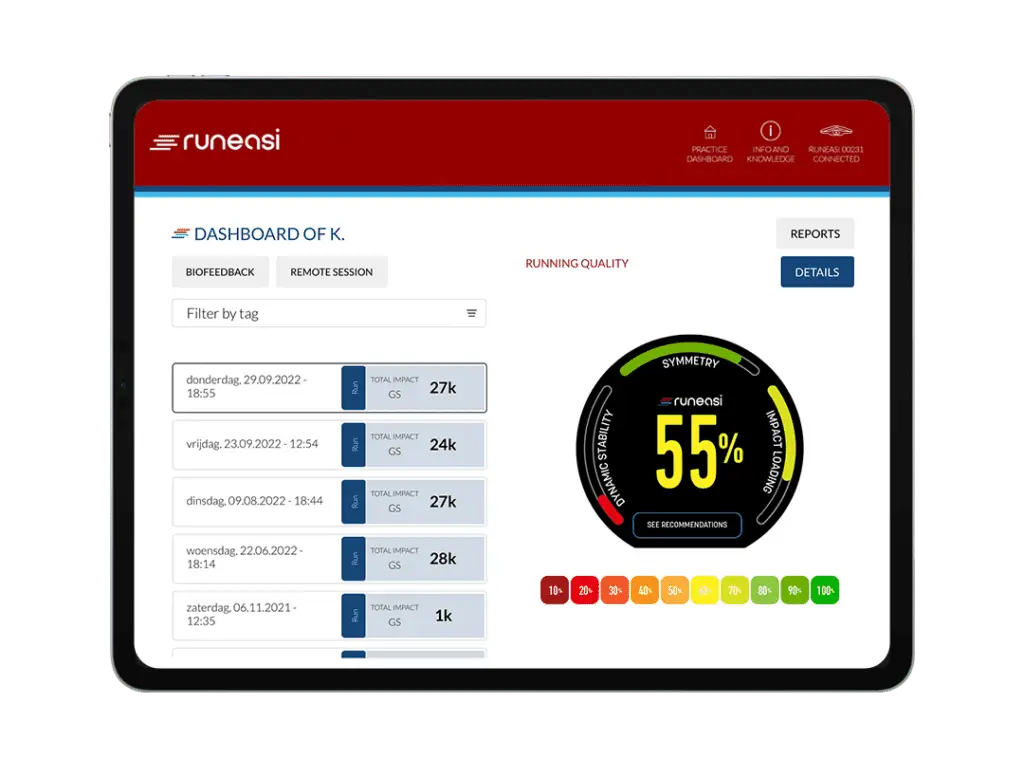
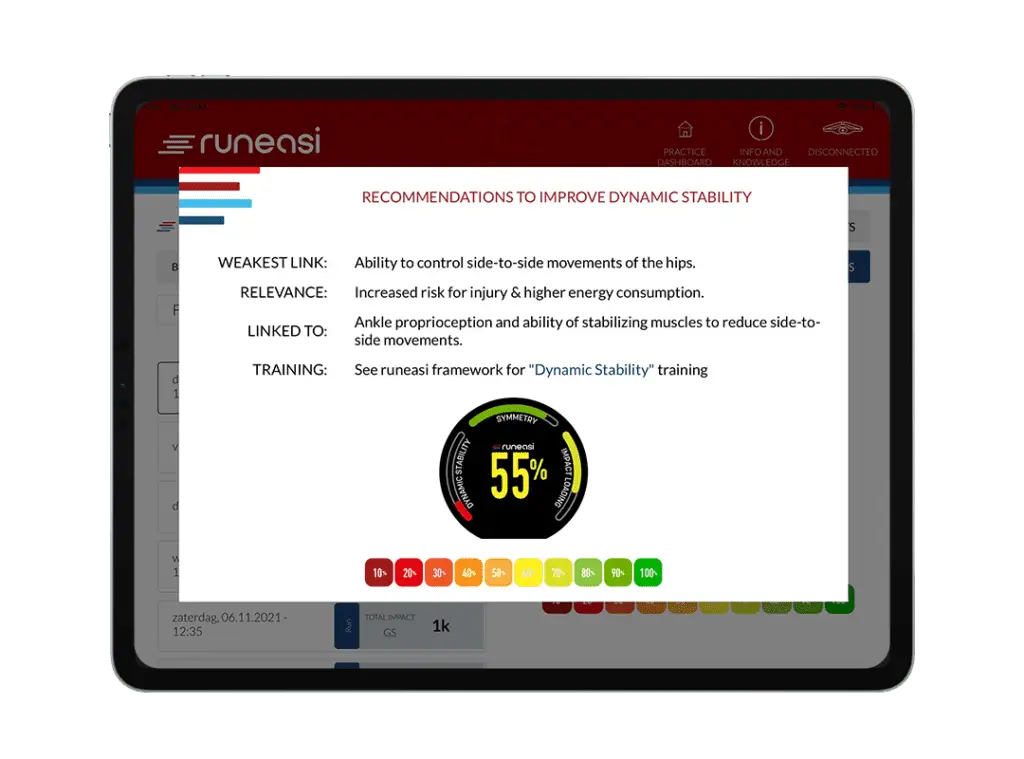
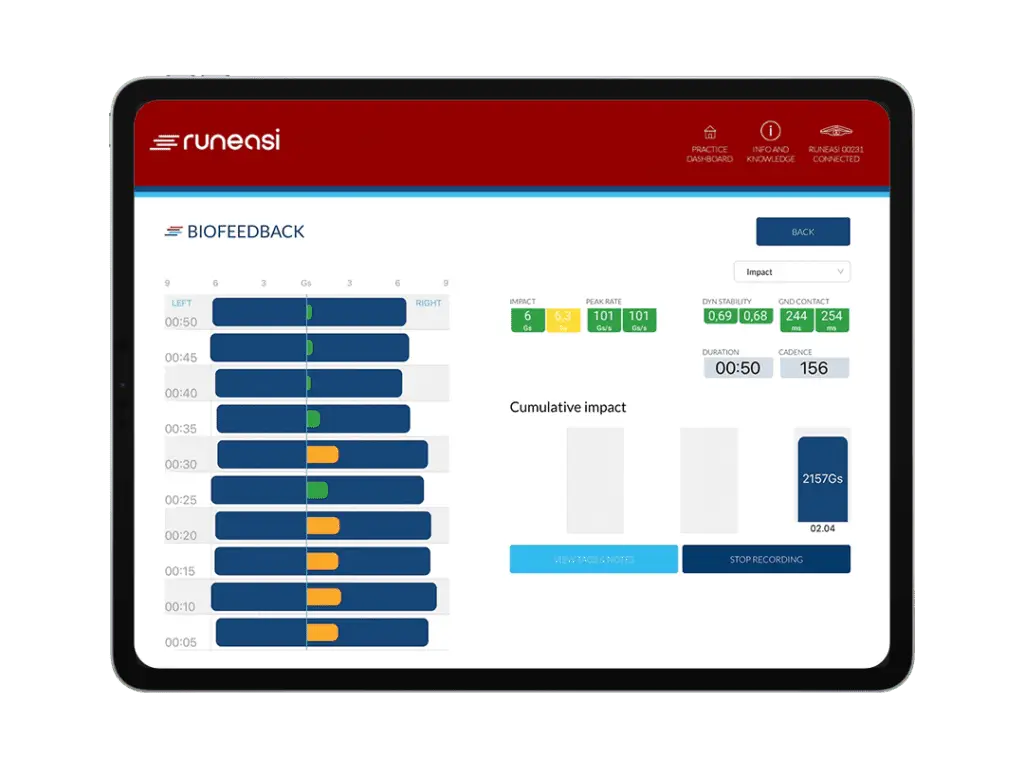
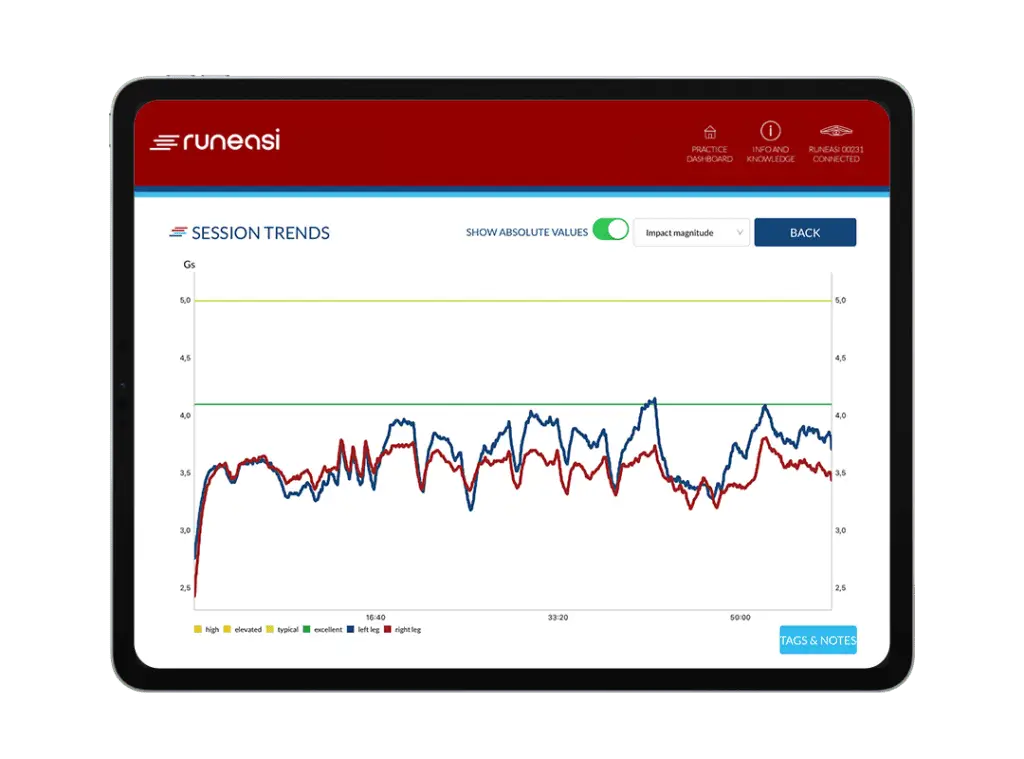
<v Timothée>Hi everyone, and thank you for listening to the first part of this episode. During this short break, I’d like to take a moment to thank our sponsor, Runeasi. I’ve seen firsthand how much physios Runeasi has helped worldwide. It’s a wearable that gives objective data on things like impact, symmetry and stability insights that add to clinical reasoning and decision making. If you’re a physical therapist or running coach, then head to our website runeasi.ai.
00:29:59.800 –> 00:30:04.280
Learn more and book a demo. I’d love to see you there. You
00:30:05.640 –> 00:30:19.935
<v Timothée>play a big role in expanding the business of Bespoke Physical Therapy. Also, you’re a highly solicited person. People ask you for advice all sorts of segments. When you retire, how would you like people to remember you? Like, what would you want to have achieved?
00:30:19.935 –> 00:30:49.825
<v Dan>I think that I think it’s how you react under pressure. I want people to know that when I retire one day, you know, legacy is built through behavior. And I think that you wanna make sure that it’s not built directly through evaluation. So I wanna be remembered as someone who helped other people. And if we can change how, one, how we’ve redefined physical therapy and created what we believe the experience that physical therapy should be to help people’s overall health and wellness and to live better longer.
00:30:49.825 –> 00:31:13.675
But then also from a team perspective, I wanna make sure that I’ve helped other people. If we can grow the business where we can have impact on other people’s lives, you know, that’s the part of being an entrepreneur. Yeah. You wanna help you and your family, but if you can one day retire or leave this when you’ve helped other people and their family and change the outcome of their life and their future, you’ve done a good job because that’s the effect of entrepreneurship. Yes.
00:31:13.675 –> 00:31:30.760
It’s you and your family. Right? That’s always gonna be the number one priority. But if you can help other people, you’ve changed other people’s lives, and you’ve made an impact on people that, you know, ten years ago you didn’t know. And now you’ve changed their life of their kids and their future.
00:31:30.760 –> 00:32:00.560
So I think my legacy I want to leave with one day is, yes, I’ve redefined physical therapy, and we’ve helped people live longer, better, healthier lives, right, and change overall health and wellness outcomes over long term. 100%. And I also want to make sure that my team members and the people that we’ve worked with together to grow this are affected by all of my hard work and their hard work, and we’ve made opportunity to change their future and their children’s future. And we just know that we’ve left with that legacy. Right?
00:32:00.560 –> 00:32:03.840
That we’ve made impact that goes beyond our media itself.
00:32:03.840 –> 00:32:18.935
<v Timothée>We’ve talked about personal growth, about growing the team as well, expanding a business. And, of course, one of those corner stones that can expand the business is also technology and innovation. What’s your take, let’s say, on innovation and staying at the forefront of the PT world?
00:32:18.935 –> 00:32:25.735
<v Dan>I love technology. You know that. I love innovation. I love technology. I think at for Bespoke Physical Therapy, we integrate technology thoughtfully and intentionally.
00:32:26.350 –> 00:33:03.620
We use tools that are backed by research and have clear clinical values. So I think I I have a unique opportunity because I I’m a part of the scientific advisory boards for Therabody Rally and Men’s Health magazine, and it allows me to stay informed and share more meaningful insights with our team. So I’m very upstate on the current technology, especially with Therabody. Therabody’s crushing it, man. They Tim Roberts is the head chief scientific officer at Therabody, and he’s brought on a team of advisers and team members that, you know, gets different perspective from performance, from clinical, from beauty aspects of things.
00:33:03.620 –> 00:33:28.640
And we we really dive pretty deep into the research and as a team discuss certain topics and this allows everybody then to create amazing products moving forward. Right? And that’s directly correlated to our team. So if we could use those insights and those those studies and that that validation to understand how we integrate into treatment, that’s it. You know, we we’ve improved that quality of care tenfold.
00:33:28.640 –> 00:34:14.325
And then for companies like yourself and Runeasi, you’re using validated equipment for us, and it allows us to use objective data to evaluate performance, right, which changes the evaluation of physical therapy. And healthcare as a whole, I think all orthopedic sports medicine teams should be doing these sorts of evaluations because unfortunately healthcare for the longest time and still is still is subjective and there is a need for subjective. I’m not saying there isn’t a need for subjective, but objective data gives us clear it eliminates guesswork. So objective data allows us to evaluate performance, identify weaknesses and failures, which allows us to create programs to attack those weaknesses and failures. So it removes the guesswork and allows us to create Bespoke programs or more tailored programs, right, for the care to be more precise, and effective.
00:34:14.485 –> 00:34:45.385
So with companies like yourself, you’re allowing the PT and which should allow all PTs, trainers, orthopedics, sports medicine docs to take the guesswork out of evaluation. And, yes, our our tools that we learn in schools, they’re great, and we learn how to do testing and such that has a valid and reliability to it. But with objective data collection, we get precise measurements. And if we understand these measurements, we can see failures and weaknesses. And then we create programs.
00:34:45.385 –> 00:34:56.650
We measure progress over time. Because a lot of the times as well with this technology is you create a program and then you retest. Retesting is key, obviously. Right? Retest, retest, retest.
00:34:56.890 –> 00:35:15.585
And you can see, okay. The original test showed we we should work on a, and c. But now six weeks later, a and b have improved, but c is not. So let’s focus on c. So it allows us to retest properly and then look at those failures and weaknesses again from a different perspective and then create a better program so that we can attack that.
00:35:15.585 –> 00:35:25.590
So we create long term success. You guys are crushing it. So kudos to you guys. You’ve created an amazing product. And I know we’re on the podcast together, but honestly, your your product is unbelievable.
00:35:25.590 –> 00:35:35.270
You you have gait analysis. You have jumping analysis. It’s validated. It’s precise. It gives us nice measurable outcomes and then gives our clinicians tools as well from the outcome.
00:35:35.270 –> 00:35:56.000
So you’re measuring your impact, and then you’re giving your expertise from your team to say, hey. These are some recommendations. And then our team will take those recommendations, use their clinical perspective, and put things together, and you’re creating a program that is above and beyond what we had ten years ago in physiotherapy. Right? So, you know, kudos to you guys.
00:35:56.000 –> 00:36:06.125
I think that there’s a huge return on investment for technology. And as long as you’re doing it properly, you’re gonna really move the needle forward with using these objective data testing.
00:36:06.125 –> 00:36:25.230
<v Timothée>It means a lot. Thanks a lot. You mentioned return on investment and we get a lot of questions ITs that wanna know how can you get that ROI. That’s that’s usually like a typical question. And of course we can show in a really easy way that if you have like a new service, it’s like a running analysis screening or jump test.
00:36:25.470 –> 00:36:43.245
You can get like return on investment extra revenue for that. But it’s really interesting that you say like, of course you want to streamline it into your services and then get like extra quality for your services. So you really include this in the whole branding, in the whole physical therapy services.
00:36:43.245 –> 00:37:08.135
<v Dan>Yeah. So it’s we include it. I think a lot of the times clinicians get stuck on like the short term aspect of integrating a new technology because there’s costs associated with it. So I think that in order to have the proper ROI on an investment with technology, And I’ve had these conversations with many physios nationwide that aren’t part of our team. They’ve asked me these questions, and I think that you can’t look at it purely through a financial lens.
00:37:08.135 –> 00:37:36.185
True ROI, I believe, we believe at Bespoke Physical Therapy that it shows up in better clinical outcomes and higher quality of care. So it creates a more meaningful patient experience. And if your patient experience is great, you’ll be great. When the technology helps patients move better, feel better, recover faster, I think they truly understand what’s happening with their bodies and it allows them to build trust in you and engage properly with physical therapy. Right?
00:37:36.185 –> 00:38:15.430
So it’ll lead to better adherence, better results, and it’ll build long term results in wellness and then long term relationships with our team. So, you know, the ROI or the financial return, let’s say, tends to follow, like, a natural progression when you consistently deliver care that patients feel and see the objective measurements, the true ROI. They’re gonna see their results and progress over time as opposed to just saying like, you know, one of the things that bugs me the most in PT is I hear, you know, patients come in and they’re like, oh, I did an evaluation and they did force testing. Not for manual muscle testing. We do force testing.
00:38:15.510 –> 00:38:28.605
And they’re like, oh, the PT said I felt stronger. And I’m like, did so you evaluated that person four months ago and they came in and you did a manual muscle test and you couldn’t remember that four months ago they feel stronger today? No. That that’s no. You don’t.
00:38:28.605 –> 00:38:43.990
Come on, man. Unless it was like an an issue with they couldn’t hold their arm up yet. Okay. Obviously, improved. But when you have those measurable outcomes and the person can see those outcomes, right, the true outcomes will come with that person and they’ll understand, oh, I’ve improved.
00:38:43.990 –> 00:39:02.445
So the true ROI is long term results and a higher quality of care. And that’s I think what PTs have to shift their mindset. Like, make the investment like you’re investing in your education to become a PT. Invest in the science and technology because that will create true long term ROI because you’re improving higher quality of care and patient outcomes over time.
00:39:02.605 –> 00:39:20.240
<v Timothée>Offering objective data and technology and innovation to to elevate your offering, it’s really important, but people have to know that you do this. So I think Bespoke Physical Therapy is great on the marketing side, putting things maybe on socials or on the website. Would you say that, Rene, is it also like an easy tool to market?
00:39:20.320 –> 00:39:40.120
<v Dan>Oh, for sure. Because you can show the objective data. You know, one of the the biggest things is when we marketed it and showed it to people in local run teams, people understood it. Right? So using, like, social media or however you’re getting out there in the marketing aspect, show that it’s an objective data measurement and then there are outcomes that measure with it.
00:39:40.120 –> 00:39:51.385
I think that one of the coolest things we did was, we did that article with Men’s Health magazine and showed Run Easy. Right? And a lot of people asked us, like, what is this? You know, how is it so easy to use? How is it validated?
00:39:51.385 –> 00:40:09.940
Where are these outcomes? And then I think one of the coolest things that aren’t easy is you can do it in the clinic or you can put it on them and allow them to go outside and run because we know, like, your gait can change or how your body response impact can change depending on the surface you’re on with this treadmill track, trail, cement. New York City is all cement. Right? So now we understand how we can support them in that matter.
00:40:09.940 –> 00:40:30.455
So, yeah, it’s super easy to market as long as you show, what it does and show the objective measurements, through video marketing, obviously, or videos or photos. But it’s easy to market, and I think that if you can integrate this into your clinic or your studio, there is an ROI like we’re saying. But as long as you show people properly what it does, there’ll be an ROI for sure.
00:40:30.535 –> 00:40:40.470
<v Timothée>Yeah. Great. I think the philosophy of Runeasi is also to have, of course, validated data, be really scientific, but also show the results in a compact way and in, like,
00:40:40.470 –> 00:40:43.510
<v Dan>a smoother way. In an easy to understand way, for sure.
00:40:43.895 –> 00:40:46.375
<v Timothée>Yes. The does that make difference?
00:40:46.375 –> 00:40:59.140
<v Dan>Yeah. For sure. It’s sometimes when you we’ve noticed over time that when we, you know, we do force analysis, force testing, emotion analysis, and when you show all these data collection points, it’s like mumbo jumbo. Right? People are like, oh, okay.
00:40:59.140 –> 00:41:14.915
Well, what should I know? And a lot of these data collection points are not really, like, great. Right? Like, yeah, from a deeper perspective, okay, you can see that this does x y and z, but that’s not pertinent to the individual. When you guys break it down so much into layman’s terms that when we show this to patients, they understand what that means.
00:41:14.915 –> 00:41:57.690
You know, we have companies that provide their scores and such, but don’t have any data to go along with that in layman’s terms, and then it it means nothing to anyone. Like, yeah, I guess your your score improved, but, like, how did that improve? You know, People wanna see how that improved, and and you guys have a really easy platform so that it’s in layman’s terms and people understand the data that’s put in front of them. And then also from a PT perspective, you guys have an amazing course on you what you offer to the PTs that sign up for Runeasi, and that really allows them to dig into your technology and understand how it works. And you’ve done that so well, and you dive so well into the depth of the product that it makes it easier for education purposes for the team as opposed to someone on our team.
00:41:58.010 –> 00:42:20.875
You know, we do this, but, you know, it’s easier to you give your perspective from that person to the new individual on your team and the mentorship program and then give access to your education portal. And your education portal is so in-depth that it really allows a smooth transition and people to really understand it. Once again, kudos to you guys. You’ve created a really amazing platform for patients in layman’s terms and then also from the PT perspective and educational terms.
00:42:21.390 –> 00:42:33.870
<v Timothée>Amazing. I think we can talk for an hour about like business and ROI. But maybe it’s cool. Let’s end the episode. I would say maybe it’s nice to show some general advice to PT business owners.
00:42:33.870 –> 00:42:34.750
What would you say to them?
00:42:35.105 –> 00:42:57.560
<v Dan>Okay, so my advice to new PT owners for sure is at physical therapy owners is to focus on fundamentals before chasing growth, right? I think you have to prioritize quality of care, build systems that support your clinicians and your team and be patient. Be patient with the progress, Stay open to learning. Failure is only failure if we view it that way. Failure should be a learning perspective.
00:42:58.040 –> 00:43:18.230
And don’t let ego drive decisions. So surround your people with people that, you know, challenge everyone’s thinking. And remember that long term success in PT comes from consistency, trust, elevating the real value to the patients every day. So improve quality quality of care and deliver the highest quality of care to drive you and your company.
00:43:18.230 –> 00:43:26.150
<v Timothée>Amazing. I think yeah. Dan, thanks so much for your time and thanks for the Physio Insights. It was great to have you on the podcast. So see you next time.
00:43:26.150 –> 00:43:27.990
<v Dan>Thank you. Thanks for having me, man. Take care.
00:43:33.345 –> 00:43:47.905
<v Timothée>That’s it for today on the Physio Insights podcast, presented by Renizi. Thank you for listening. Would you like to share an interesting case, insight, or do you have a thought about the podcast? Comment below and don’t forget to follow us for more episodes.