What Is Dynamic stability, and why is it important?
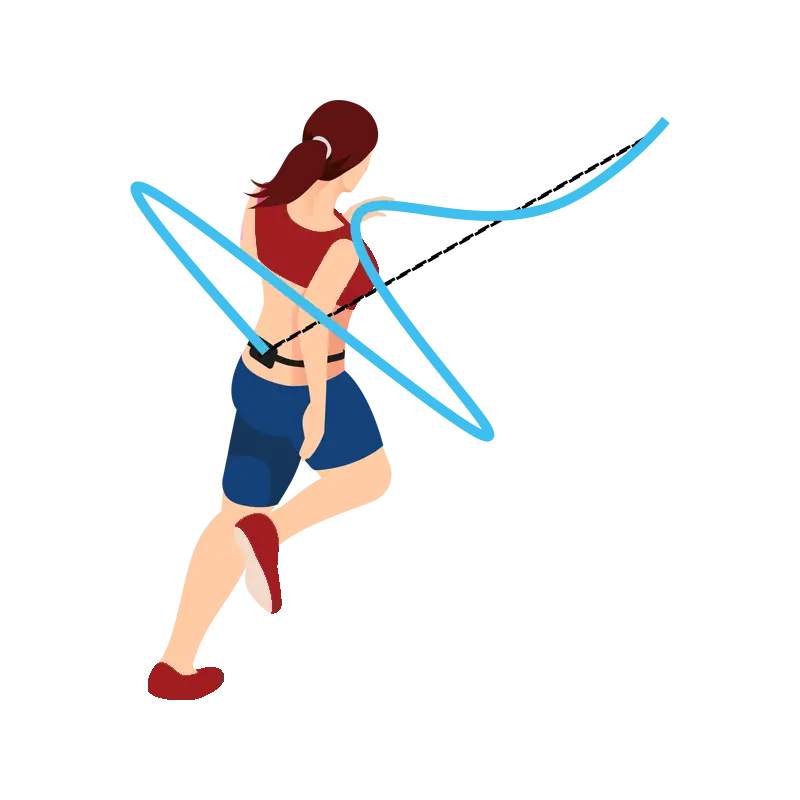
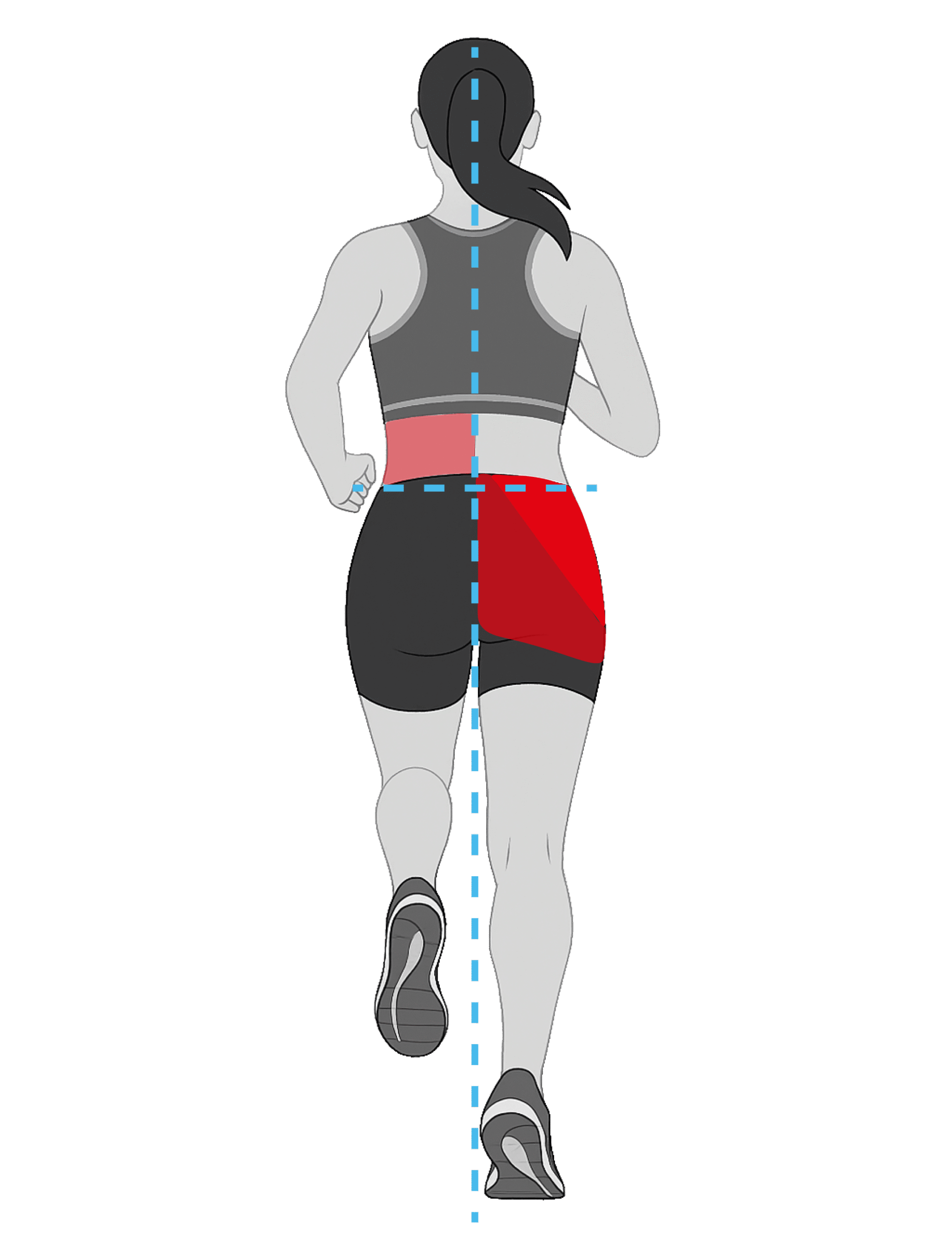
Dynamic stability measures the side-to-side wobble of your hips and shows how well your body maintains control with each running step. A lower stability score indicates poor hip control, which increases the demand on stabilizing muscles throughout the lower limbs, from the gluteal muscles down to the ankle–foot stabilizers.
Visualisation of side-to-side wobble
Dynamic stability directly affects both running efficiency and injury risk (Schütte et al., 2018; Pla et al., 2021). When hip movement is poorly controlled, energy is lost through unnecessary side-to-side motion instead of contributing to forward propulsion. This also disrupts how load is distributed across your muscles, tendons, and joints. Over time, uneven or excessive loading can contribute to overuse injuries such as MTSS, ITB syndrome, and other lower-limb conditions.
What determines your dynamic stability?
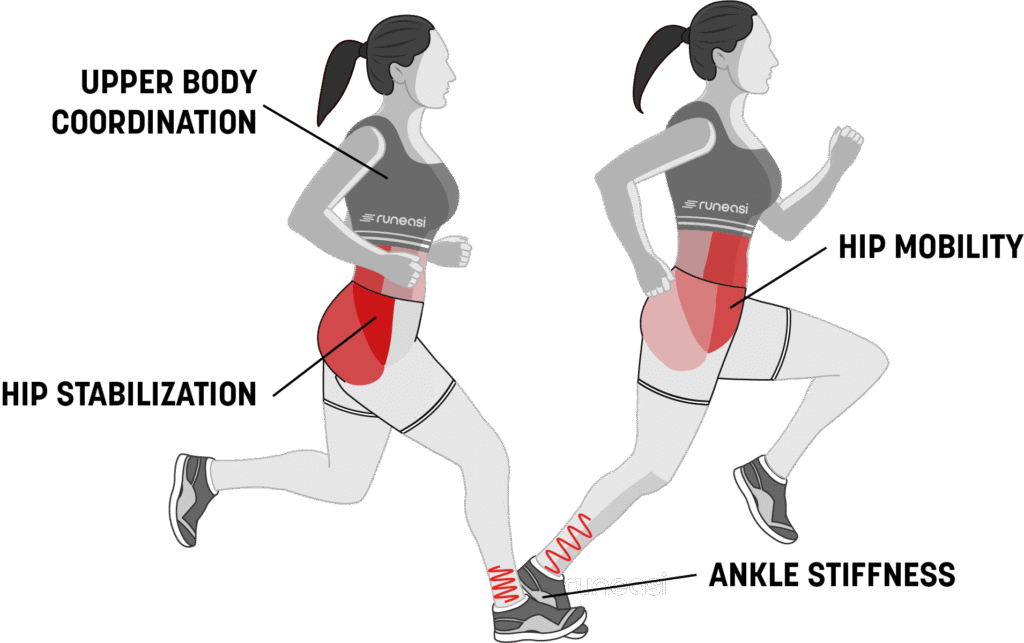
Dynamic stability is a more holistic measure, influenced by several interconnected factors. Below are four key contributors that commonly affect hip control during running.
Upper Body Coordination
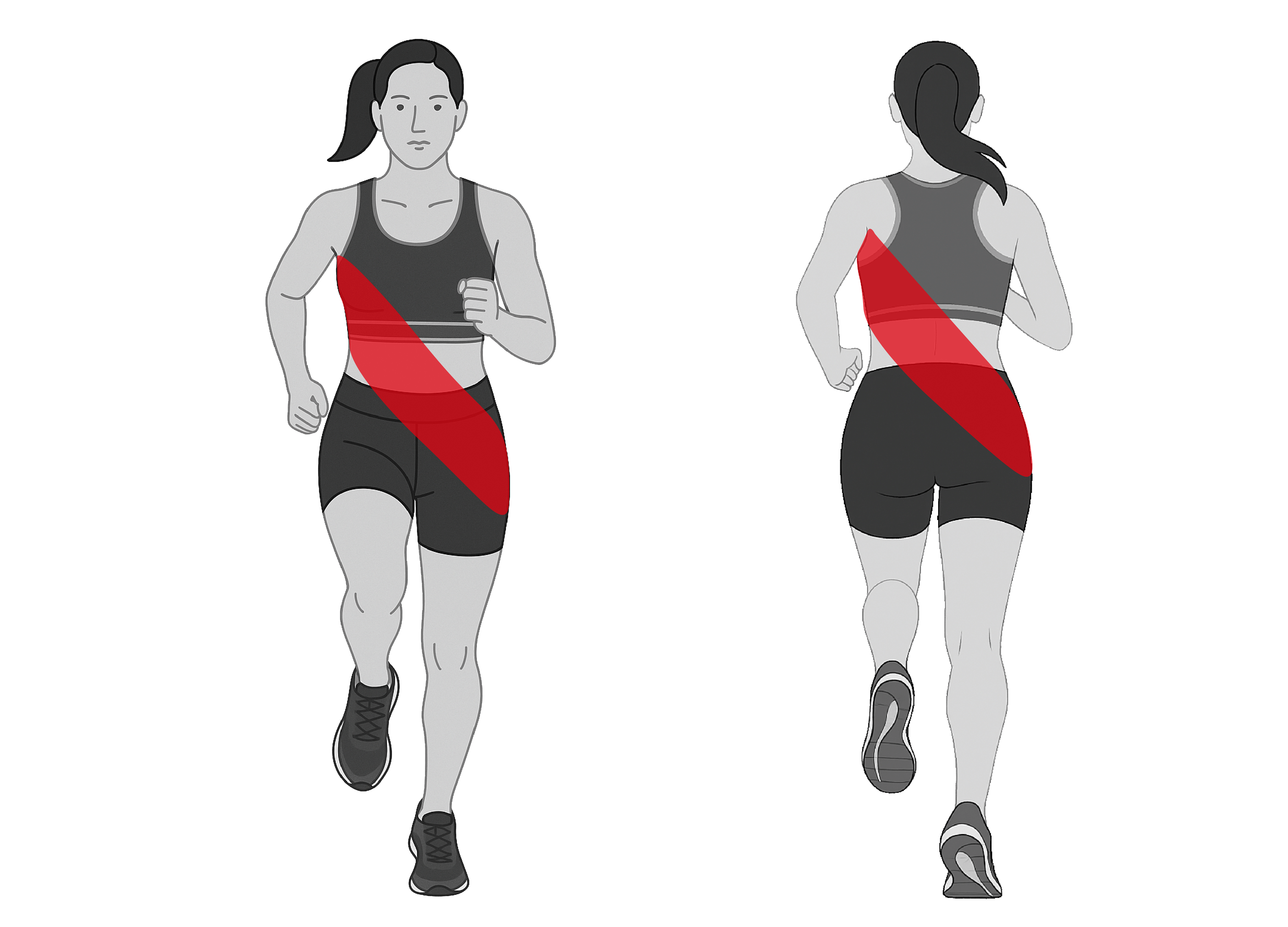
Your upper body plays a crucial role in stabilizing your hips. The natural counter-rotation of the shoulders against the pelvis (torsion) helps control hip motion and transfer forces efficiently through the body. Without proper arm and trunk movement, hip control decreases significantly.
👉 Try this: run without moving your arms. You will immediately feel how difficult it is to maintain speed and stability.
Anterior and Posterior oblique sling
Hip Mobility
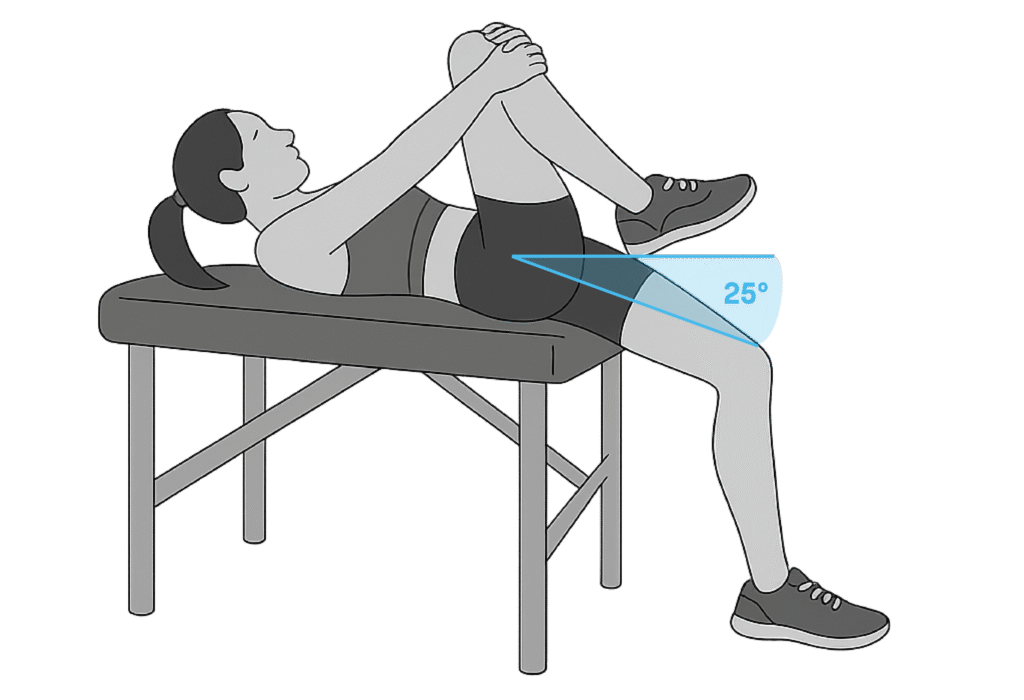
Adequate hip mobility, especially hip extension range of motion (naturally limited by 20–30°), is essential for stable running mechanics. As running speed increases, the demand for hip extension also rises because each stride requires more range of motion. Limited hip mobility forces the pelvis to rotate or tilt excessively to compensate, which can worsen dynamic stability.
Modern lifestyles involving prolonged sitting often reduce hip mobility, making runners rely more heavily on compensatory strategies.
A mobility test for your hip extension Range of Motion
Hip Stabilization
Once the foot hits the ground, the hips must stabilize quickly to prevent collapsing toward the stance side. However, impact duration (the time from foot strike to peak impact at the hips) can be extremely short (15–150 ms). Muscles often don’t have time to react.
This makes muscle pre-activation essential: the hip stabilizers must already be switched on before landing. Even strong hip muscles are ineffective if they fire too late, so timing must be trained specifically.
Hip stabilizing muscles during stance phase
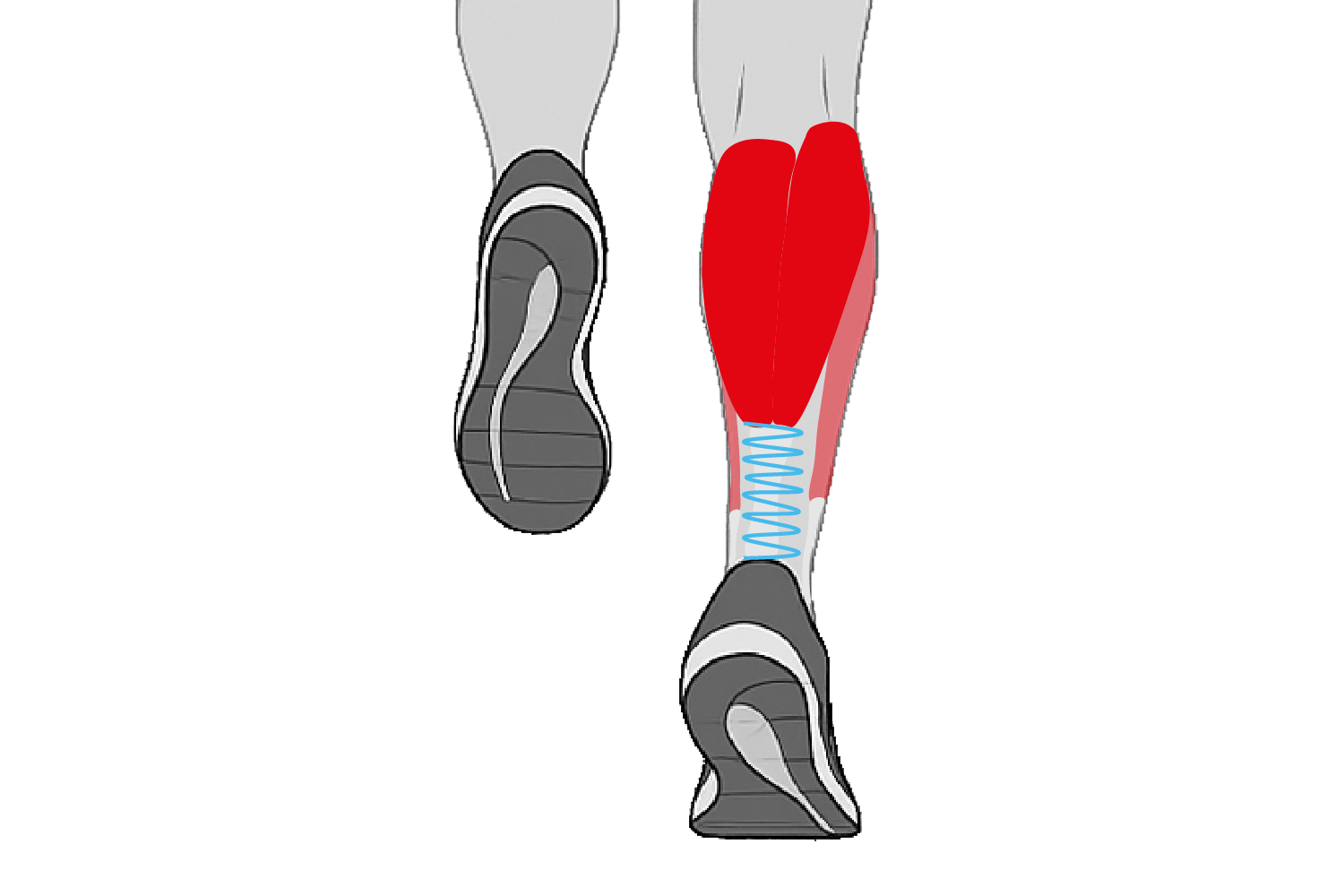
Ankle Stiffness and Proprioception
The foot and ankle form your first contact with the ground. Their ability to sense and manage impact affects everything above them.
Good ankle stiffness helps:
Improve initial shock absorption
Prevent excessive collapse at the foot or ankle
Maintain a stable base for the hips
Enhance elastic energy storage and return through the tendons
Poor control at the foot makes the job difficult for the hip stabilizers, increasing the likelihood of instability further up the chain.
Runeasi is an AI-driven, wearable 3D gait analysis technology designed to optimize running performance and reduce injury risk for athletes of all levels.
Runeasi is an AI-driven, wearable 3D gait analysis technology designed to optimize running performance and reduce injury risk for athletes of all levels.