
Scientifically Validated Running Gait & Jump Analysis

Peer Reviewed Research That Led To The Development Of Runeasi

Pub Med

Running fatigue can be assessed by looking at dynamic stability with Runeasi

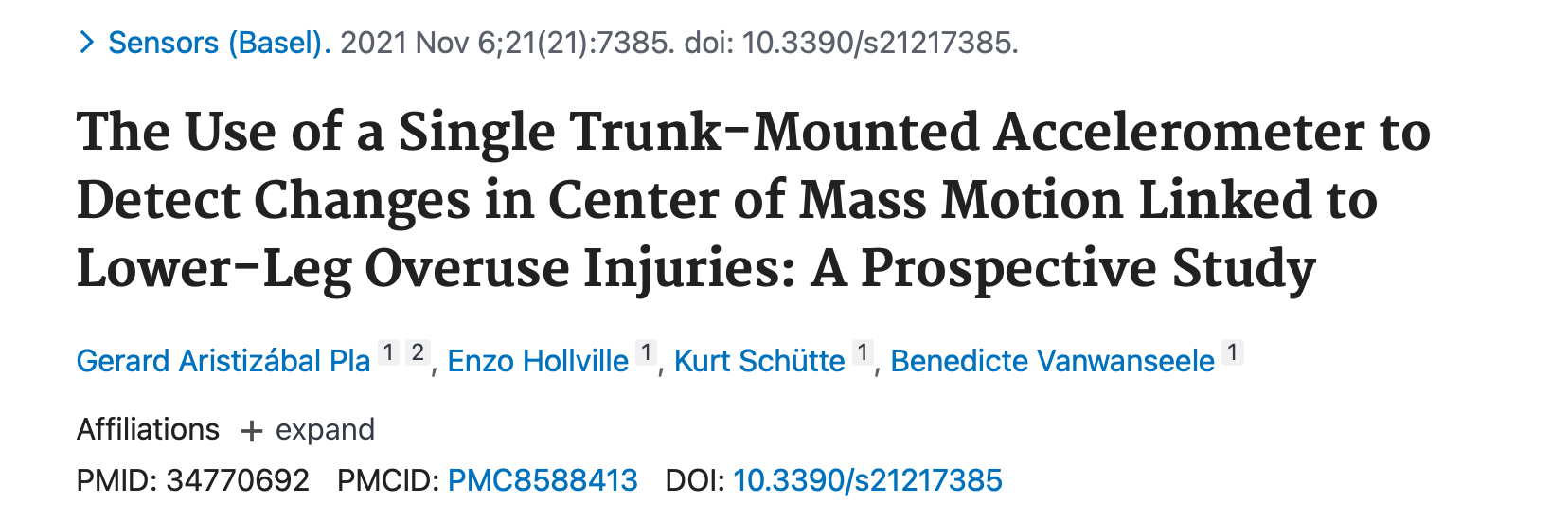
Changes in Runeasi’s dynamic stability metric could be linked to lower leg overuse injuries
Machine learning and IMU data make it possible to track changes in a runner’s fatigue in real time.
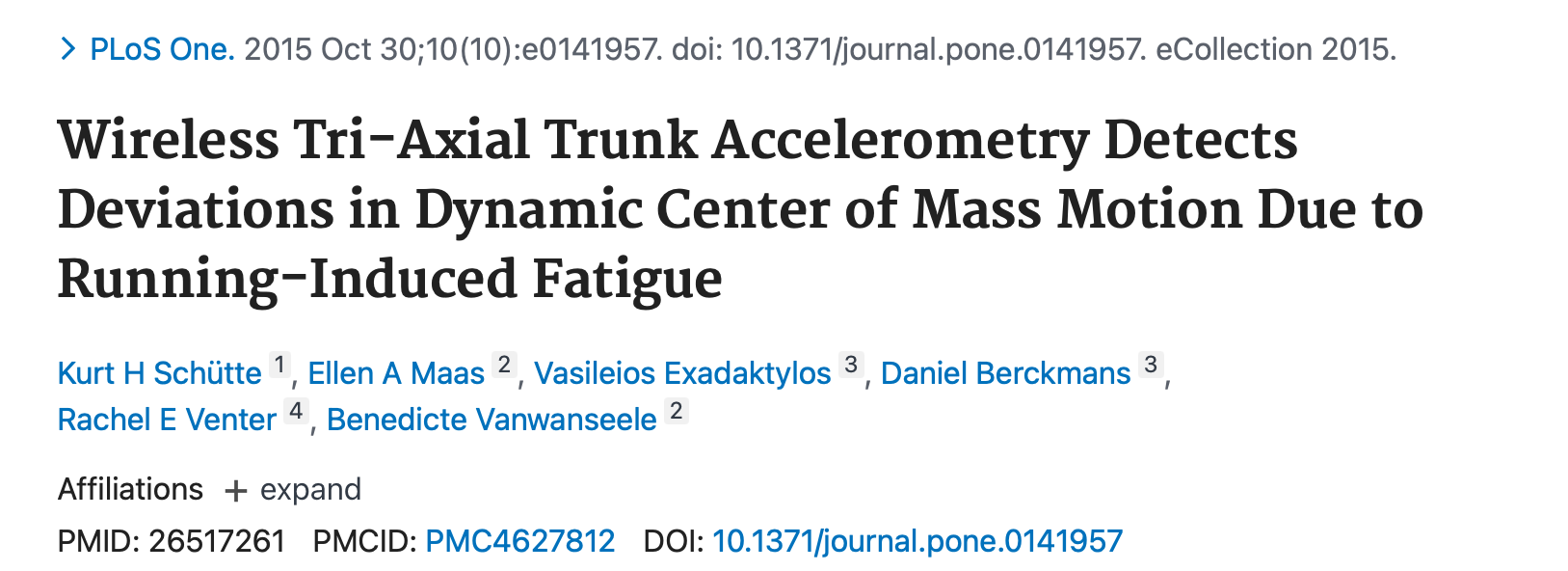
Running fatigue can be assessed by looking at dynamic stability with Runeasi.
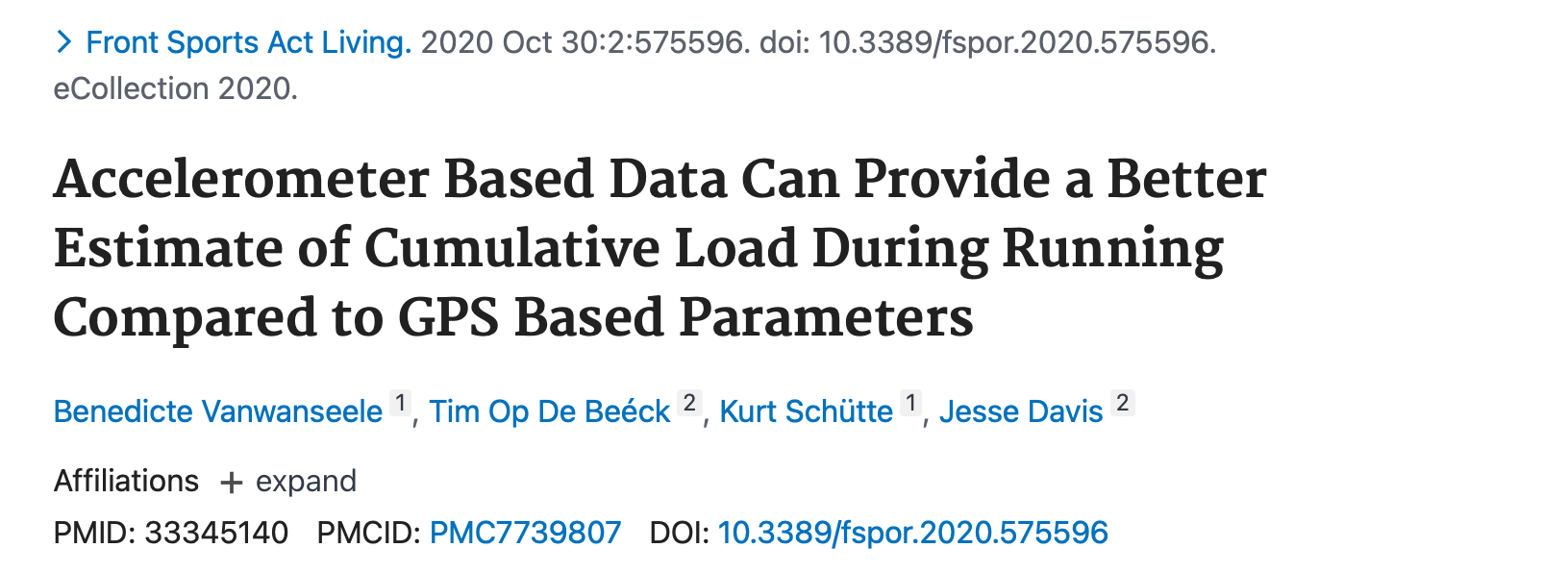
Runeasi’s impact measurements are highly correlated to peak Ground Reaction Forces (GRF) and are 30% more accurate to capture the mechanical load on the body compared to traditional GPS based metrics.
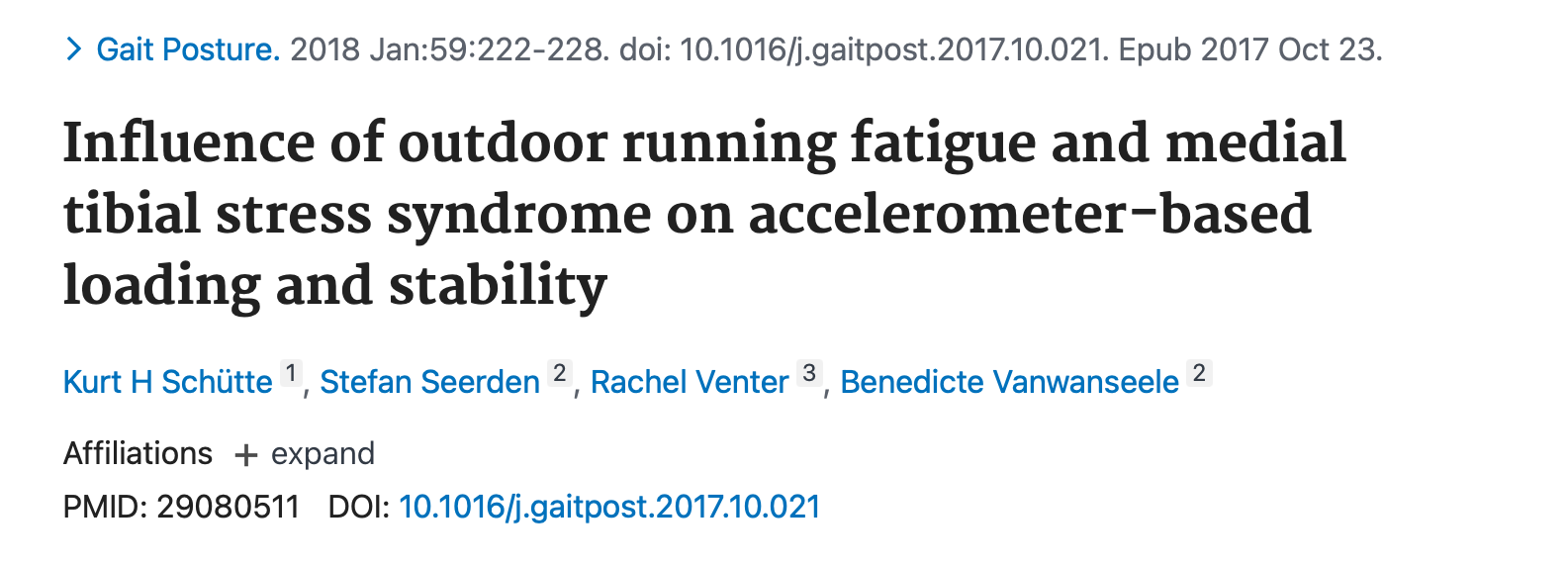
Running fatigue and overuse injuries are reflected in Runeasi’s measured variables.
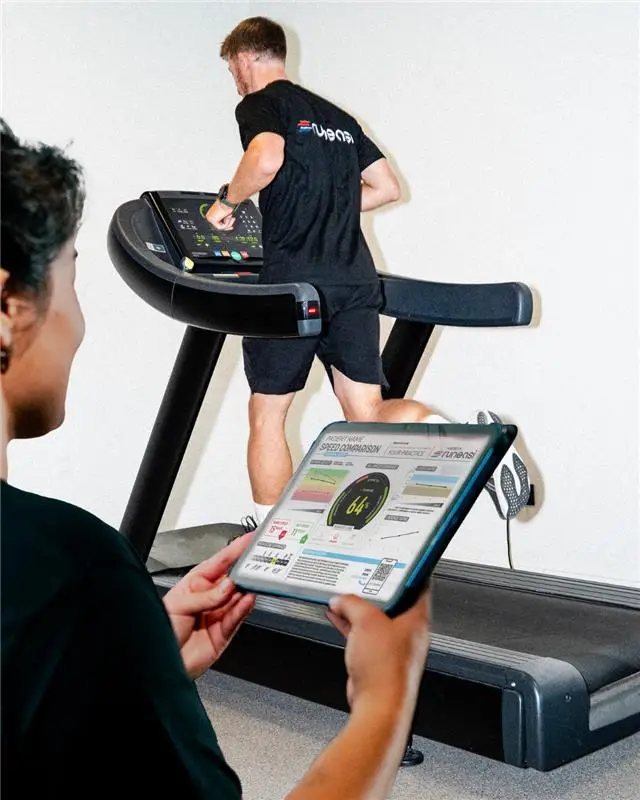
Data Collection

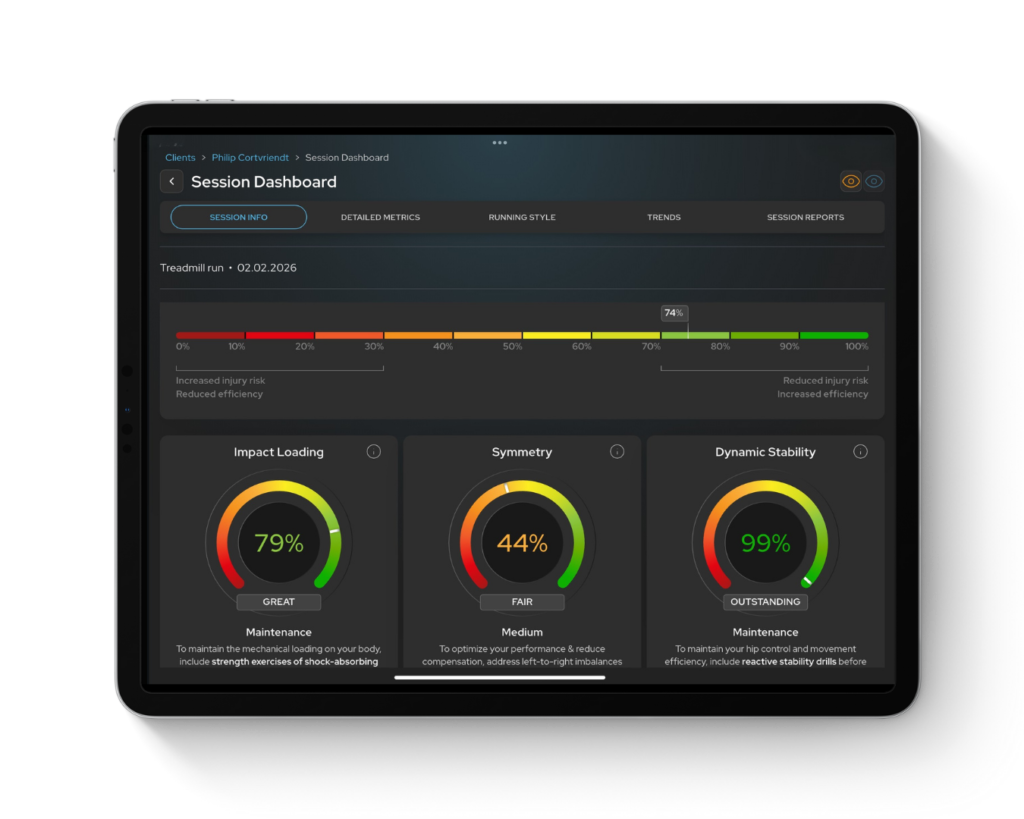
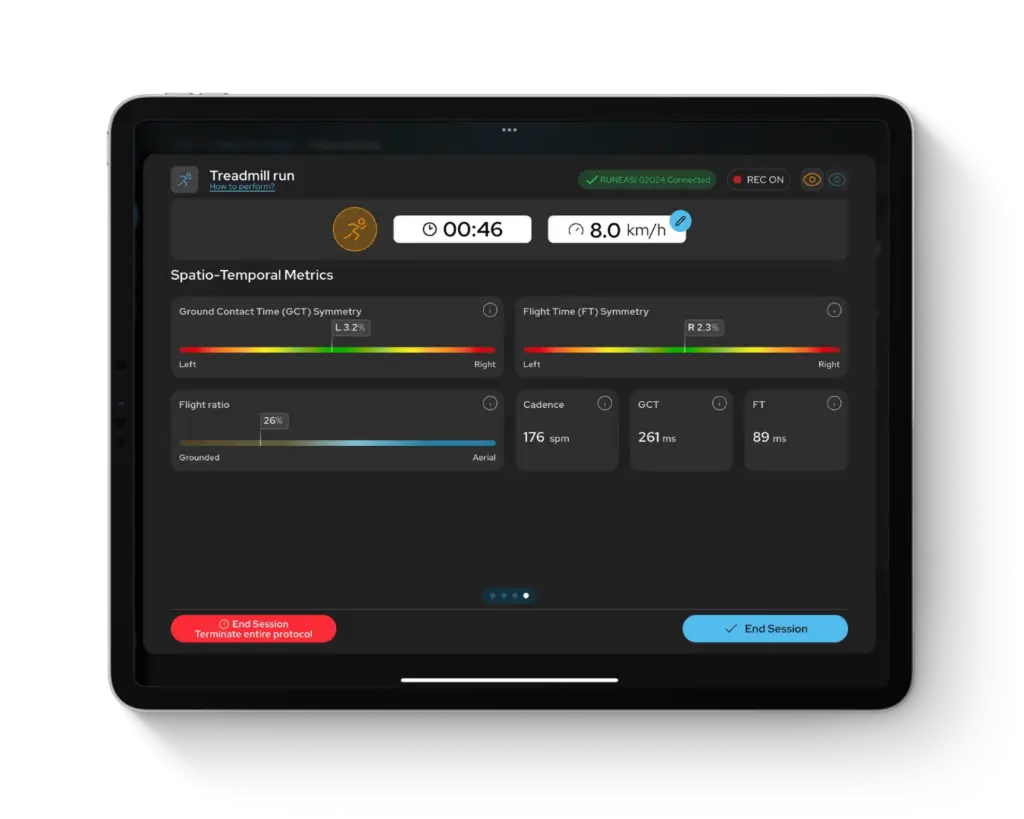
The sensor captures every step, jump, and subtle movement. Runeasi processes the sensor’s data using trained and validated algorithms to objectively measure power, reactivity, stability, subtle left-right asymmetries, and shock absorption in the lower limbs. Each metric can be viewed in the dashboard to provide individualized care. Together, they provide an overall running score that can easily be shared with clients.

male on treadmill doing running gate analysis with runeasi sensor
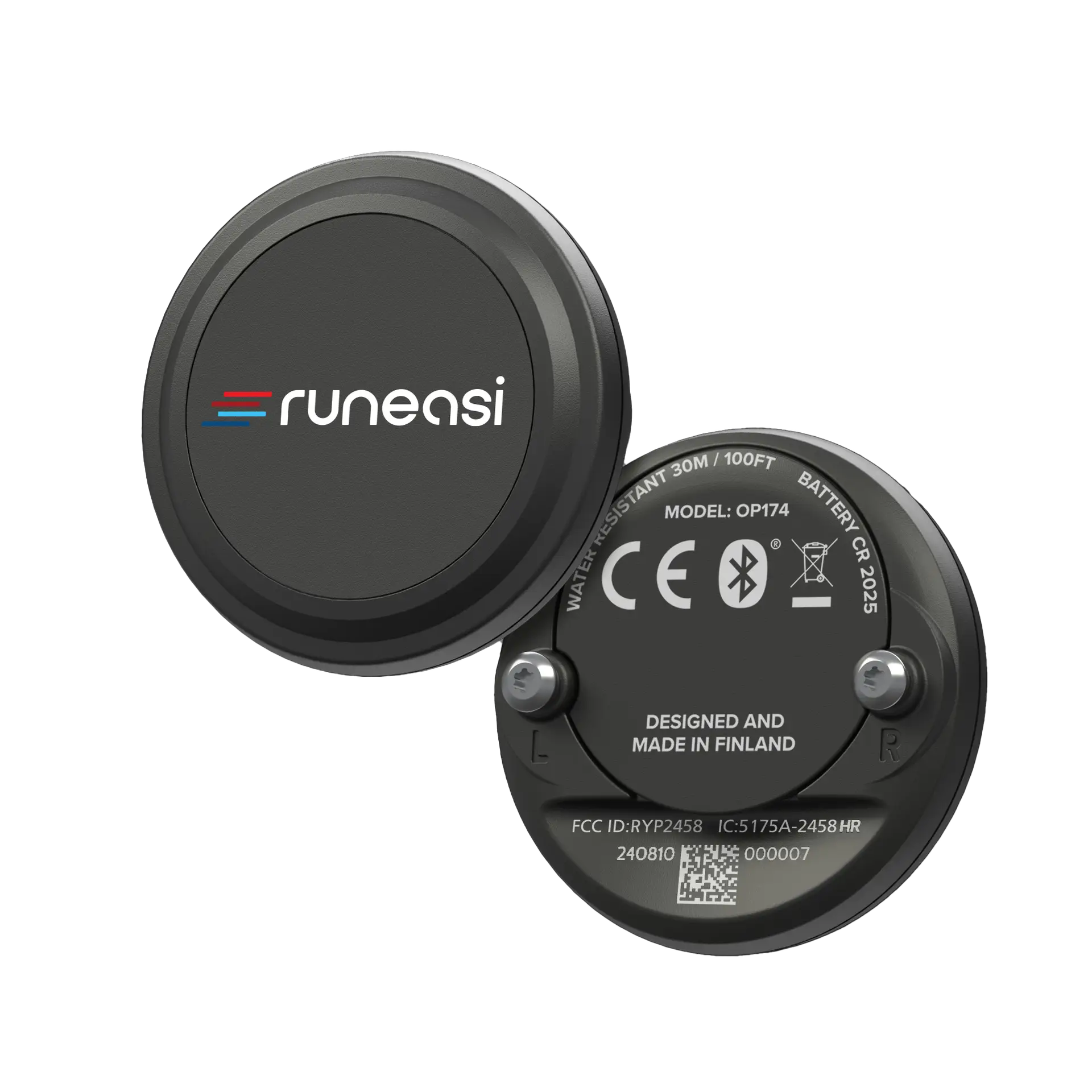
Runeasi IMU Sensor

Our Sensor

Runeasi uses a high-end IMU (Inertial Measurement Unit) that is comfortably worn on the lower back. It accurately captures the full range of motion of the body’s center of mass. From there, the system computes spatiotemporal and kinetic parameters, typically reserved for biomechanics labs. The sensor itself is slim, lightweight, waterproof, and features a wide sensing range (0–16G) with a high sampling frequency (833 Hz).

The Belt

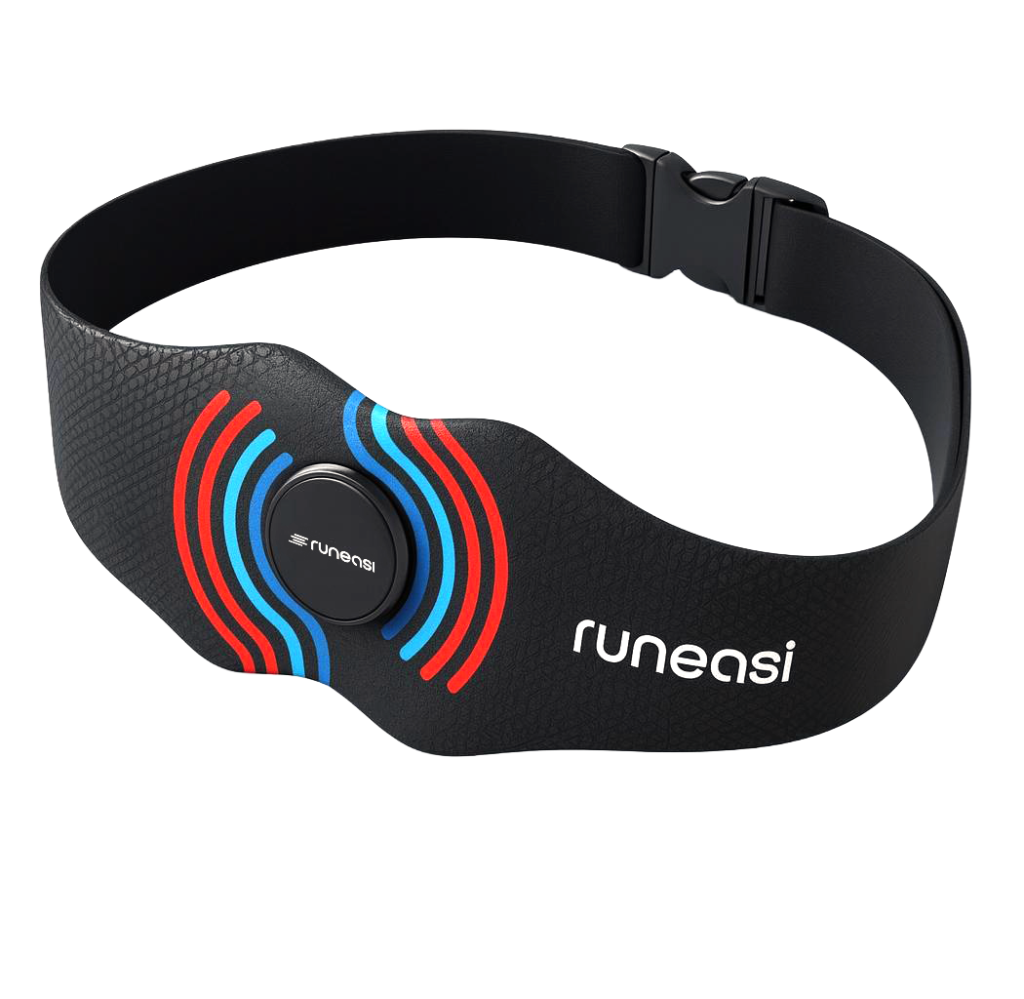
The Runeasi belt is hand-made using neoprene, a sweat-resistant material, and is specifically designed for high-impact movements like running and jumping. It is adjustable to fit all waistlines and features an engineered anti-slip grip. This ensures precise measurement of movement close to the body’s center of gravity while providing ultimate comfort.

Runeasi Belt
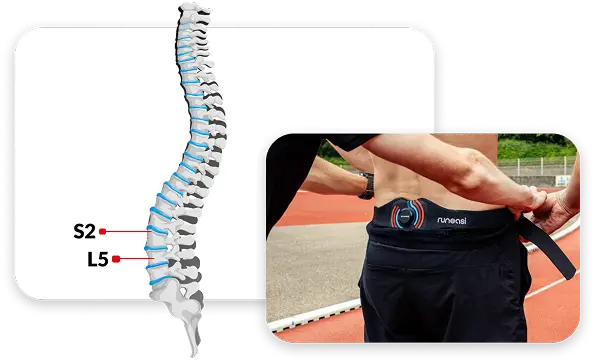
Runeasi sensor placement

Sensor Placement

Runeasi’s sensor is placed on the sacrum (between the S2 and L5 vertebrae). Research shows that this location captures whole-body movement most accurately, as it is closest to the body’s center of mass.

Benchmarks

Runeasi’s scoring scale is based on data-driven benchmarks. Higher scores correspond to elite athletic performance, while lower scores reflect recreational or beginner levels. Lower scores could indicate injury or high-risk cases.

Each metric’s benchmark is specifically developed to account for its natural variability. This moves beyond the classical 10% asymmetry rule. As Bishop (2021) highlights, generic cut-offs are misleading and only metric-specific benchmarks provide feedback that is precise and relevant for professionals to act upon.

Artificial Intelligence

Runeasi employs AI algorithms to analyze high-quality biomechanical sensor data in real time, detecting gait events and loading patterns to provide insights into performance and injury risk.

Unlike popular large language models (LLMs) such as ChatGPT, which are trained on information available on the internet, our algorithms are trained and validated on gold-standard biomechanical data.

Training recommendations

Our training recommendations are developed by in-house experts, combining physiotherapy and coaching expertise with evidence-based practice. We don’t believe in testing without purpose. That’s why our recommendations are an integral part of our vision and the way we deliver clear, actionable reports to your clients.

Data protection & privacy

All user data is managed according to GDPR standards, ensuring it remains secure and private.

5 rEASONS TO USE OUR APP

1. Global movement quality

Track and improve your client’s Runeasi running quality. Identify their weakest link with our advanced visualisation.

2. individual recommendations

Get individual training and cueing recommendations to improve your client’s weakest link.

3. Real-time feedback


4. Session trends

Learn more about your client’s running quality during daily training. Our session trends show when and where the quality drops with fatigue.

5. Quick comparisons

Compare pre-post data to show intervention effects on the movement quality. 

3 REASONS TO CAPTURE DATA USING THE RUNEASI BELT

1. No motion artifacts. The Runeasi belt is secured tightly against the body and the skin to capture the actual movements of the body’s center of mass. Attaching or clipping the sensor directly to the pants would allow the sensor to wobble from side to side (i.e., measuring the wobbling of the pants, and not the human body.

2.  Easy to standardize the sensor’s positioning. The Runeasi belt makes it easy to consistently position the sensor close to the center of mass. Attaching the sensor directly to the pants would dramatically affect the reliability of the outputs as the height and tightness of the pants will affect the results. Moreover, these pants attachments often shift sideways while running which further decreases the data quality. 

 3. Comfortable to wear.  Hundreds of runners confirmed that they immediately forget about our belt while running. This allows them to move without any restrictions and allows us to capture movements that are representative of a client’s true biomechanics.

SENSOR SPECS

LAB GRADE SENSOR

Accurately captures full range of motion and kinetic parameters by leveraging wide sensing range (16 Gs) & high sampling frequency (1000 Hz)

WATER & SCHOCK PROOF

Built to withstand high intensity training and sweating. Suitable for the outdoor elements, come rain or shine. Robust to handle the repetitive and ruthless impact shocks of running.

Lightweight & SLIM

Seamlessly integrates onto the body to support movement without restrictions. Weight: 9.4g/0.33oz with battery. Dimensions (36.6mm/1.44” dia. X 10.6mm/ 0.42” thick)

No charging wireless

Replaceable coin-cell battery with operating time up to months, depending on the usage. Bluetooth® 5.0 radio for effortlessly transmitting data real-time or post-session.