Choosing running gait cues for injury prevention:
A physiotherapist's evidence-based approach
By Tom Goom, PT – The Running Physio
During gait re-training, we can often see changes in running technique and gain feedback from the runner about symptoms and effort. What’s harder to capture is objective data, especially when assessing over-ground (rather than on a treadmill).
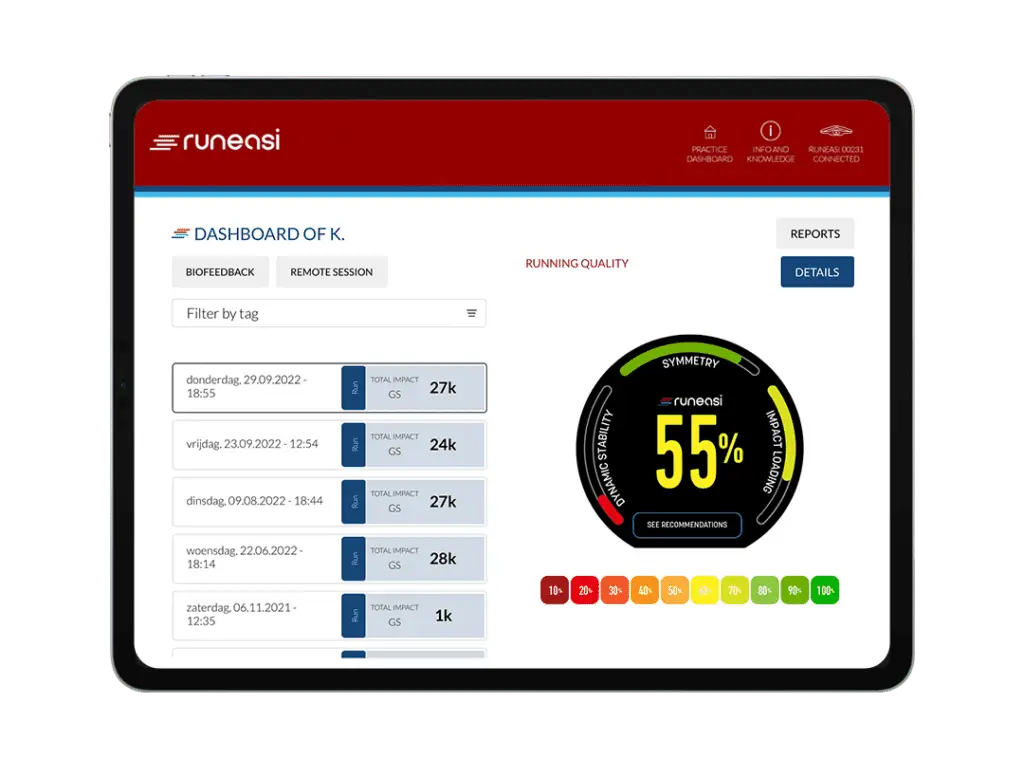
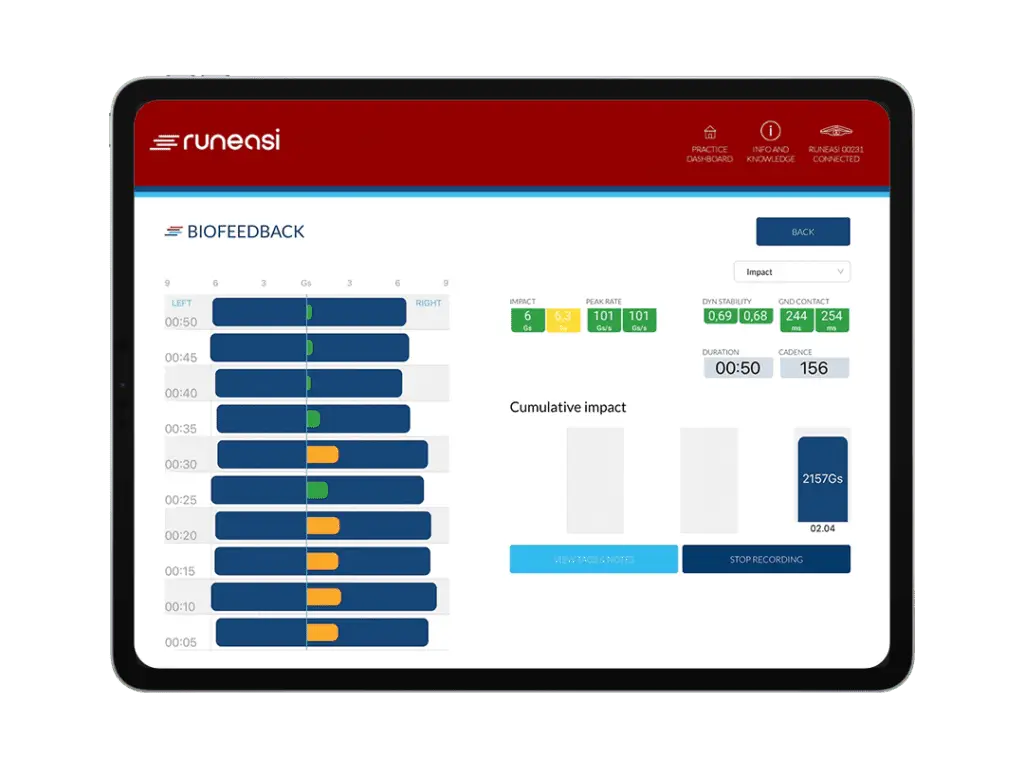
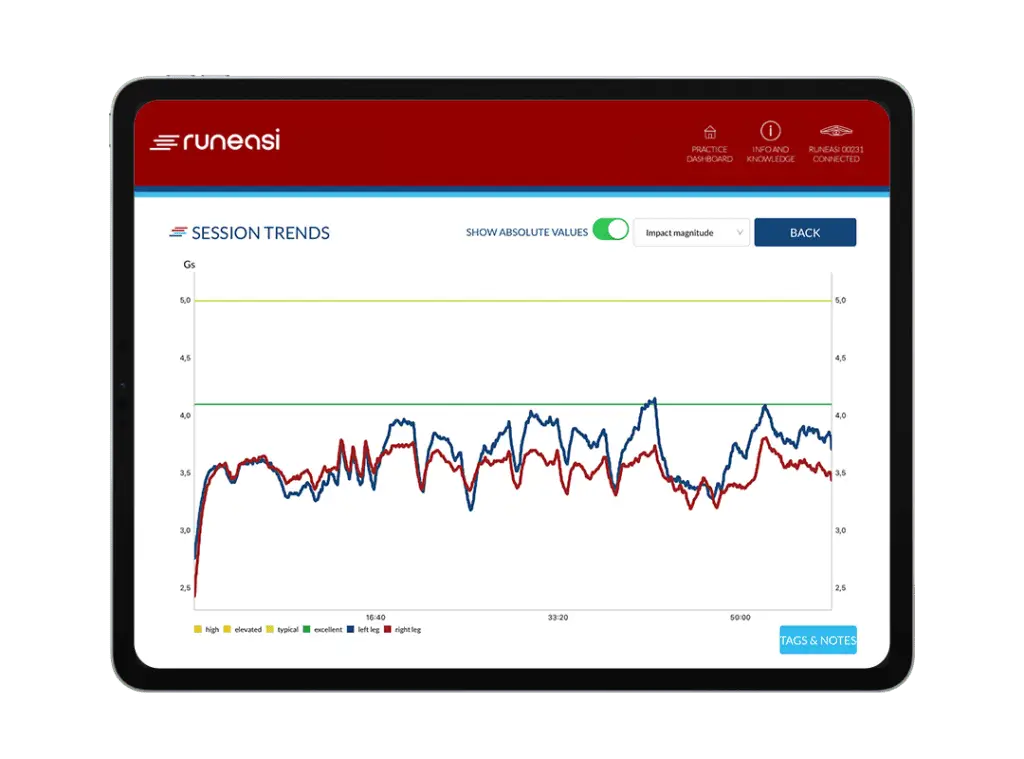
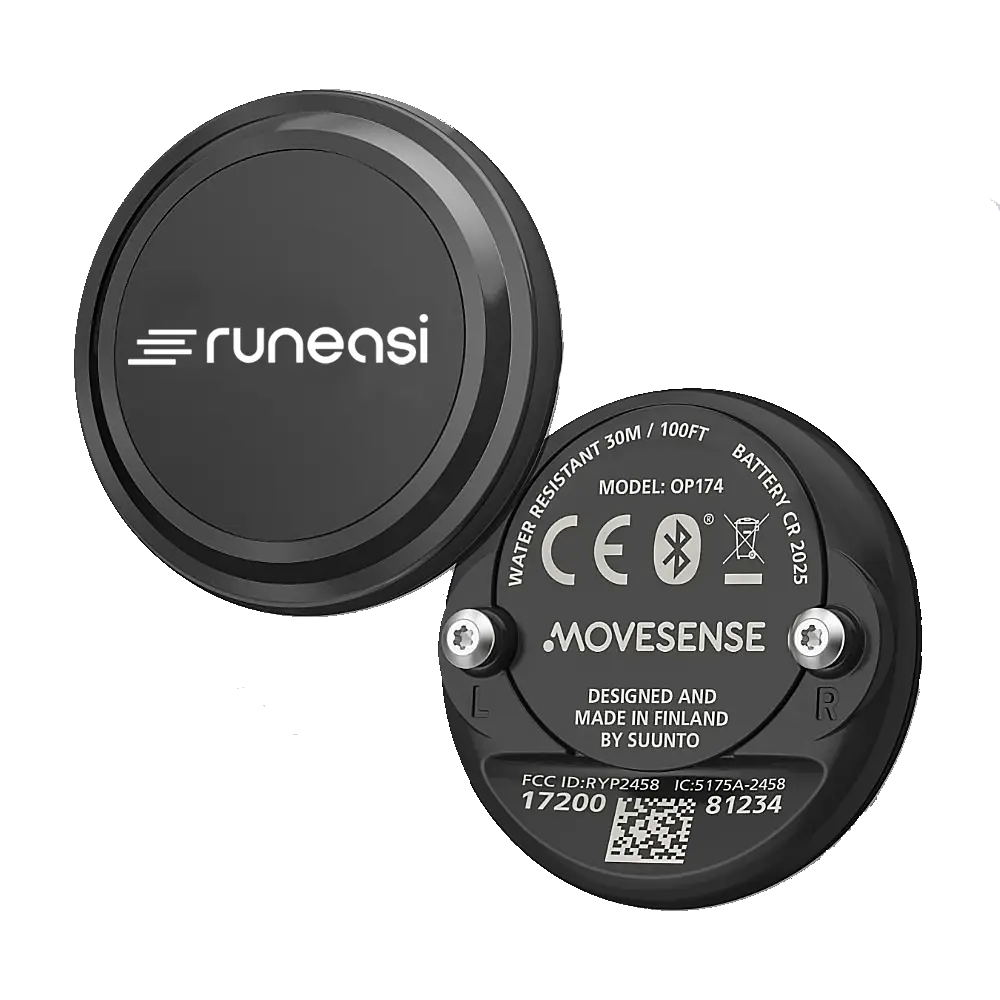
Wearable technology and running gait analysis software can be helpful for this by providing accurate information on step rate, ground contact time, impact load and other key variables. With this in mind, I teamed up with physio and fellow runner Kurt Schütte who is the CEO of Runeasi, a wearable sensor that can be used for indoor and outdoor running assessments, to see how various cues influence these running gait parameters.
We were out in Utah at the time for the Mountain Land Running Summit, not a bad place for a run!!

Testing 4 different cues
We used the Runeasi sensor mounted on the sacrum and assessed my baseline running gait, then compared this to the effect of 4 different cues:
1. Run tall
2. Squash a grape under your midfoot when you land
3. Run Quietly
4. Land on your forefoot
Let’s look at what we found, starting with our Temporospatial data (step rate, contact time, etc.):

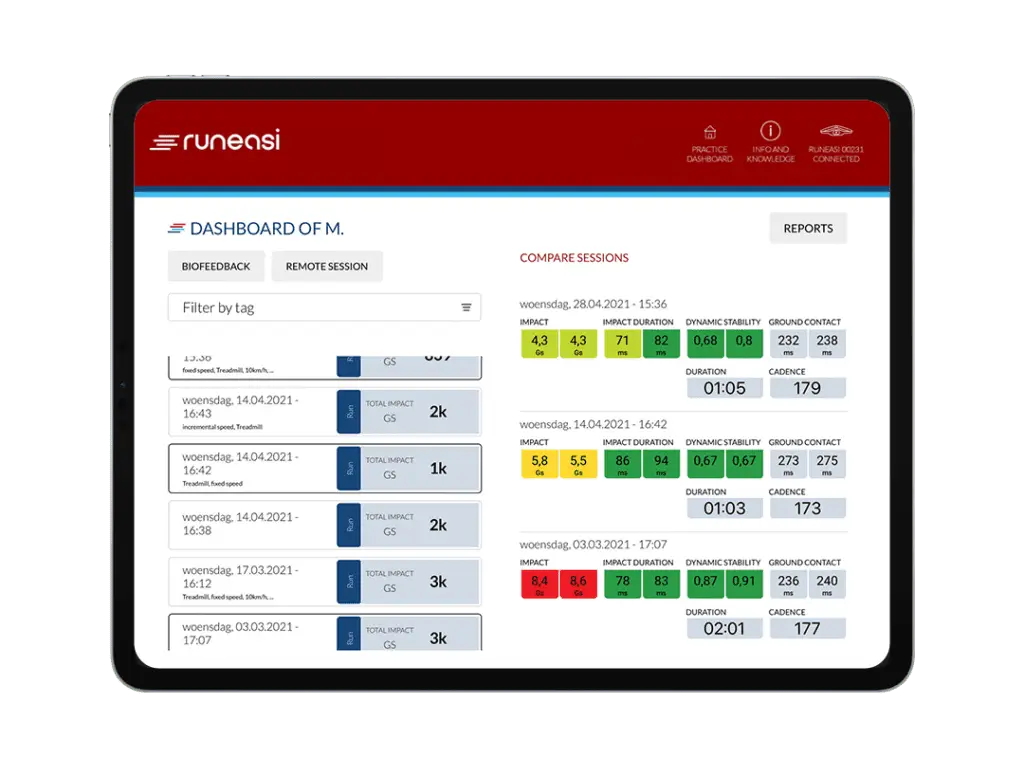
Runeasi also provides kinetic data, including impact loading, breaking magnitude and dynamic stability.
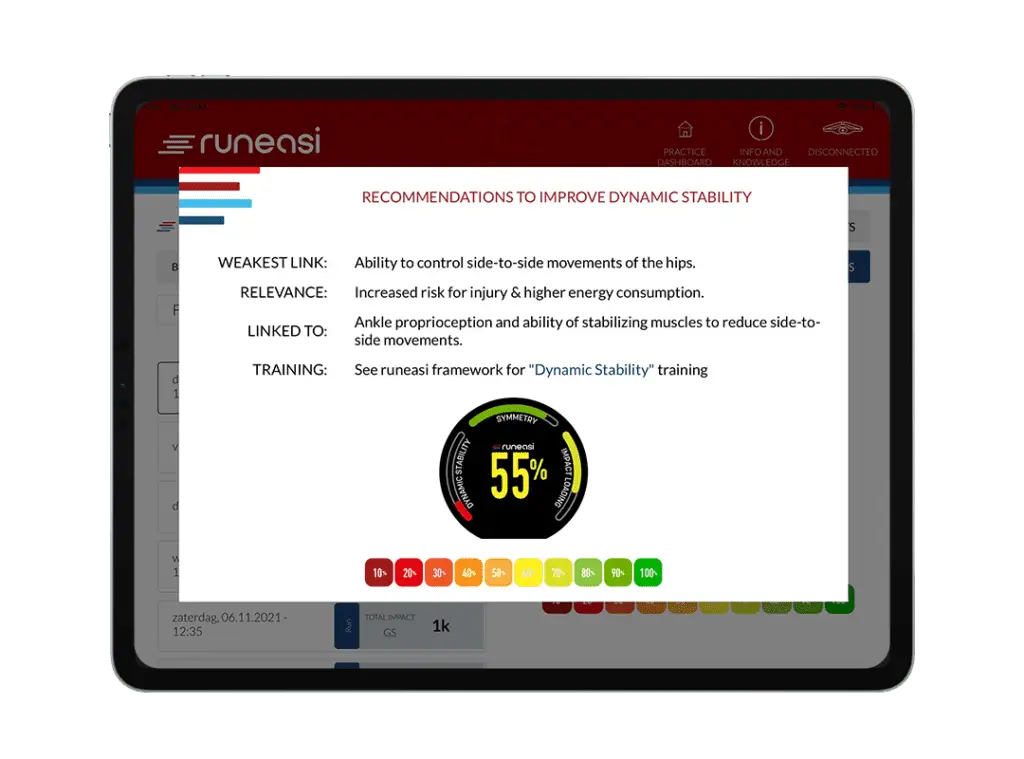
Note that dynamic stability measures side to side motion of the hips, and higher values indicated reduced hip control.
Here’s the data from our test runs:

Data is only as good as the decision it informs
Data is only as good as the decisions it informs, so it’s always important to consider what’s relevant to each individual and their injury.
I’m not injured at the moment but to make this data meaningful let’s imagine I have some left patellofemoral pain when running. What cue might we suggest to help?…
To decide this we want to determine which cue is most likely to reduce stress on the knee and improve symptoms without significantly increasing load elsewhere.
When we examine the effects of ‘Run tall’ and ‘Squish a grape under your midfoot’ they don’t seem to significantly improve my kinematics (movement patterns) as shown by these comparisons at initial contact:

I still appear to be over-striding, which can increase the load on the knees.
The wearable data also suggests these cues are less likely to be beneficial. ‘Run tall’ leads to minimal change in step rate or ground contact time. ‘Squish grapes’ appears to increase impact magnitude and braking forces, although these changes are small.
Like the previous cues, ‘Run quietly’ doesn’t appear to have a large effect on over-striding. By comparison, forefoot running leads to the most noticeable changes in running technique:

This is where the data and our reasoning can be instrumental.
‘Run quietly’ appeared to increase cadence and reduce ground contact time while also improving dynamic stability and reducing braking forces. As a result, it may reduce the stress on the knee. This highlights a hidden benefit of wearable tech – we can’t visibly see changes in load just through video alone. Sometimes even small, subtle alterations in gait that aren’t easily visually identified can reduce load and therefore potentially be beneficial.
We might look at initial contact with ‘Run Quietly’ and think nothing much has changed, therefore it’s unlikely to help, but symptom response and objective data can identify benefits that would easily be missed.
‘Run Forefoot’ also improved dynamic stability and reduced braking magnitude. However, it increased vertical impact magnitude, indicating a redistribution of forces from the horizontal plane toward the vertical plane (making the gait more bouncy). The change from rear foot to forefoot strike is also likely to increase the load on the calf and Achilles, which is a notable downside.
Conclusion
Of the cues we’ve tested here, ‘Run quietly’ appears to be the best option however, there are a few important points to consider:
1. There’s lots more to look at! In terms of kinematics, we’ve only considered one part of the gait cycle and looked at still images from one angle. We’d want to examine the video of the whole gait cycle and include rear views and foot level views, as well as these side-on videos.
2. Symptom response is key! The data is helpful, but for most runners, their primary aim is to reduce pain, so we want to see how their symptoms respond to these cues during testing both in the clinical setting and when out on a run.
3. Effort matters! If a runner reports that a gait change is very high effort and hard to do it may be having a negative effect on their efficiency, so a more subtle change or a different cue may be required.
Finally, a big thanks to Kurt for helping me collect and interpret this data, and for joining me for a run in the sunshine 😎

Written by Tom Goom, PT - The Running Physio
Tom is a physiotherapist with over 20 years of experience and a very keen runner! He graduated with a BSc (Hons) degree in 2002 and since then has worked in clinics in the UK and overseas. Tom started RunningPhysio in March 2012 to help those training for marathons that spring, since then it’s developed into a resource used by runners and clinicians all over the world. Tom has written for Running Fitness, Men’s Running UK, and the British Journal of Sports Medicine blog. His research in proximal hamstring tendinopathy has been published in the prestigious Journal of Orthopaedic and Sports Physical Therapy.
In 2014 Tom started sharing his knowledge through teaching on the Running Repairs Course which has gone from strength to strength and he now presents both in the UK and internationally. He has recently created a comprehensive online version of the course that’s been enjoyed by hundreds of clinicians around the world.